TRANSFORMATION
What must be faced?
Mythic Storytelling — Changing Perspectives — Integration
Production:
Collective Narratives — Symbolic Assemblages — Immersive Story Maps
Where the story changes course
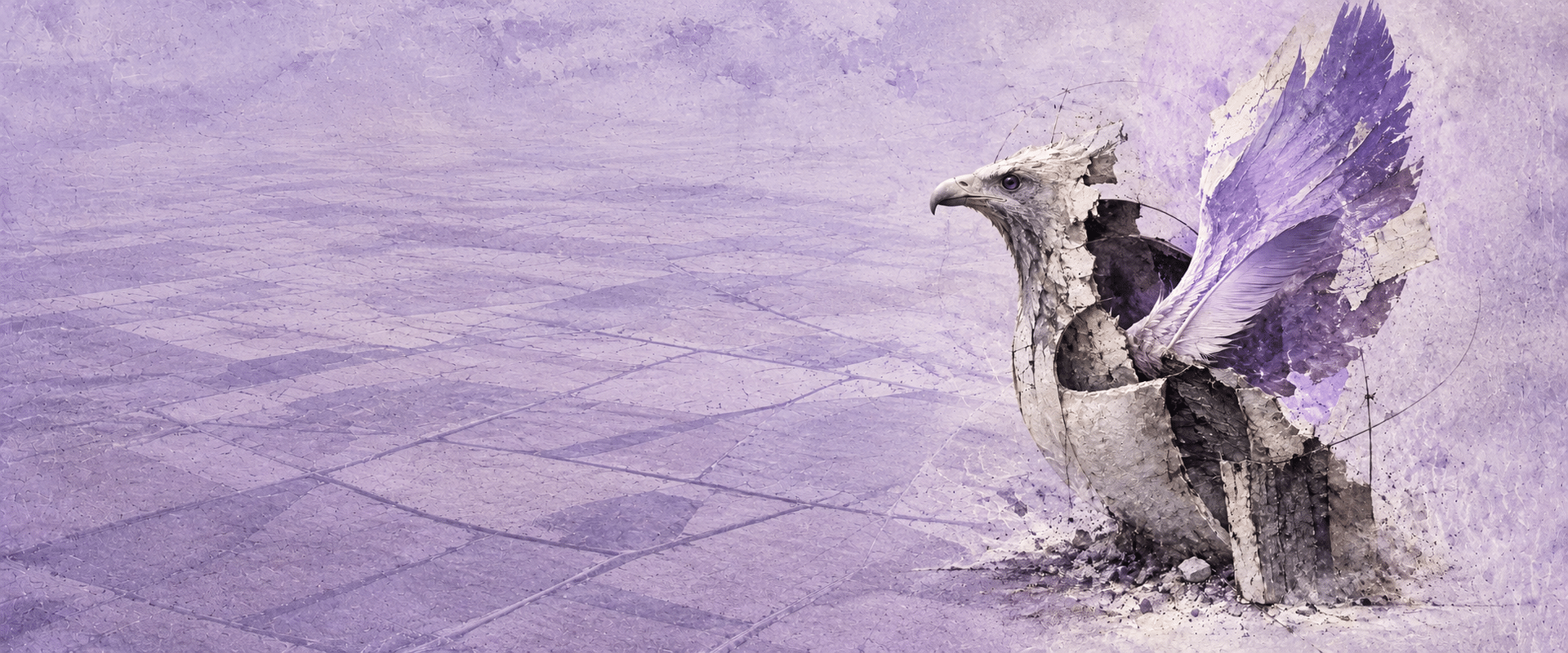
There comes a moment when a story can no longer continue as it began. Something interrupts its familiar movement: an encounter, a contradiction, a truth its characters have been reluctant to face. The next passage asks something different of them.
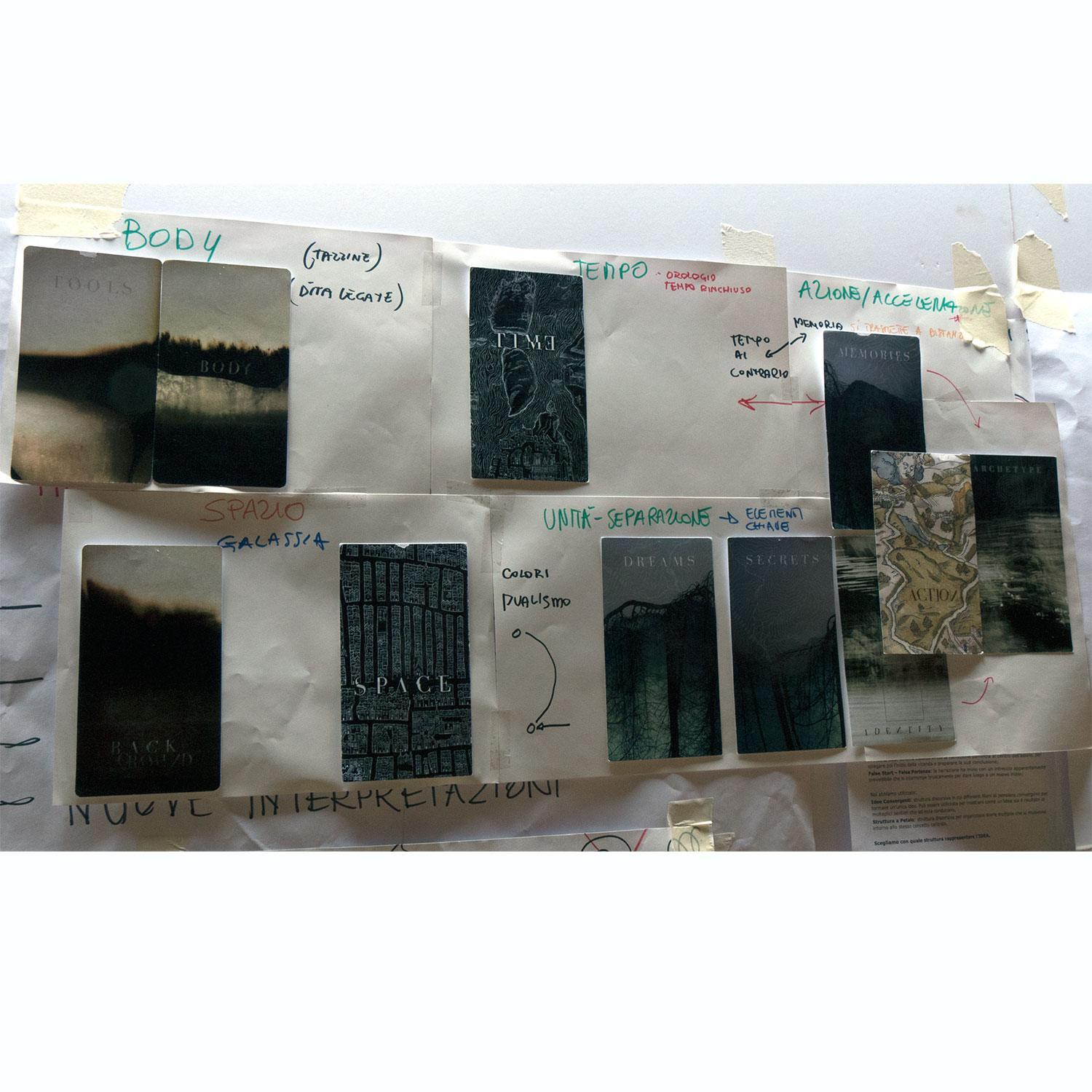
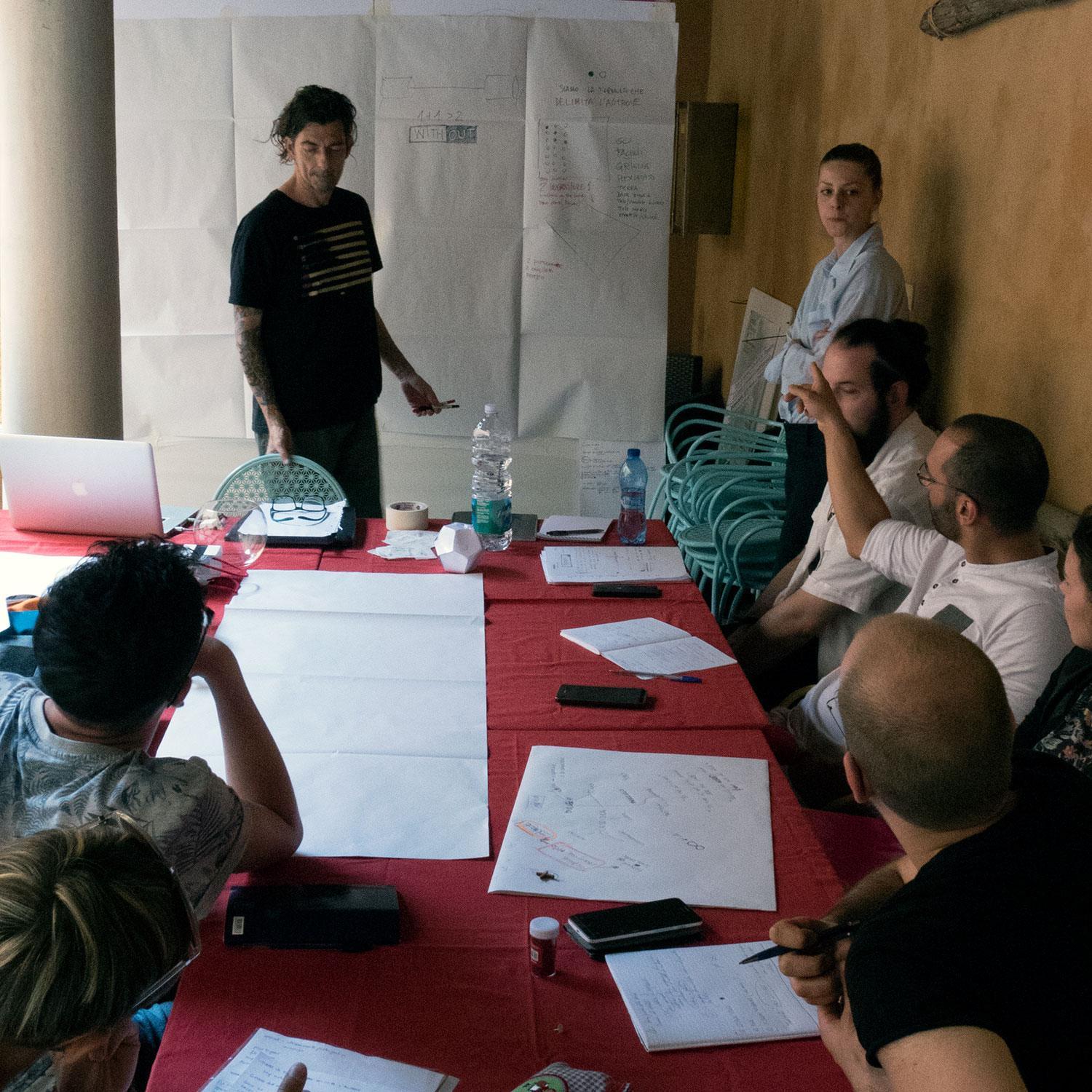
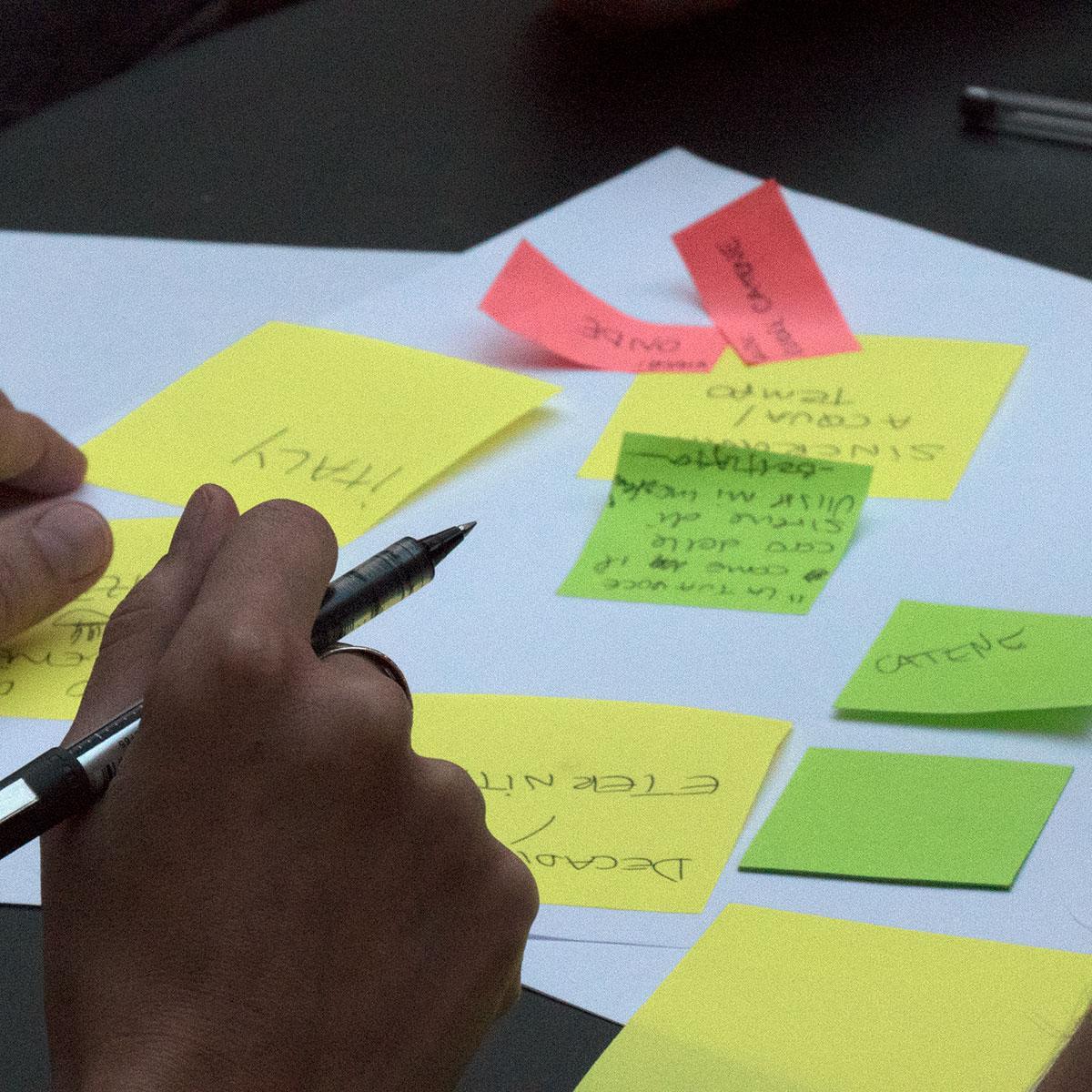
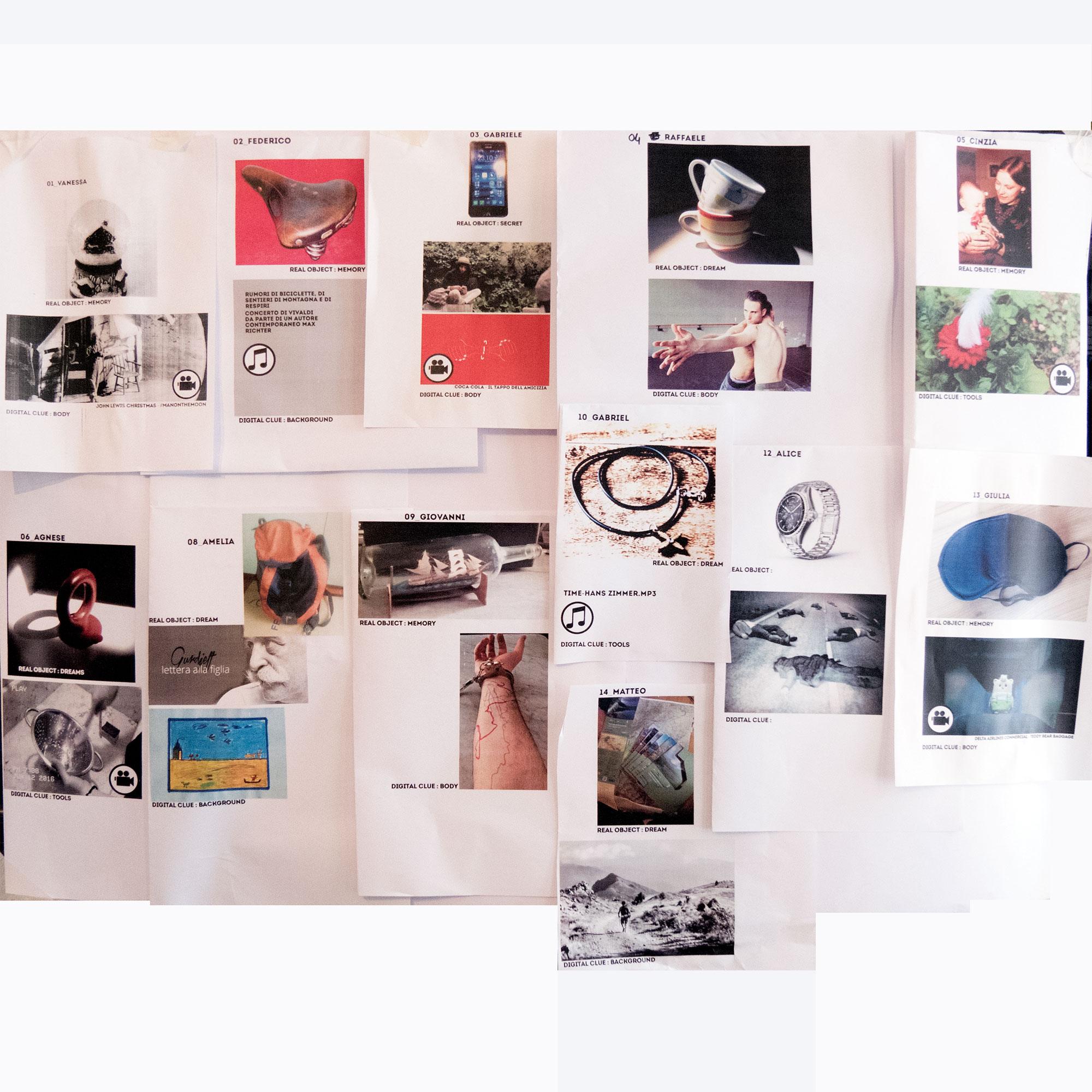
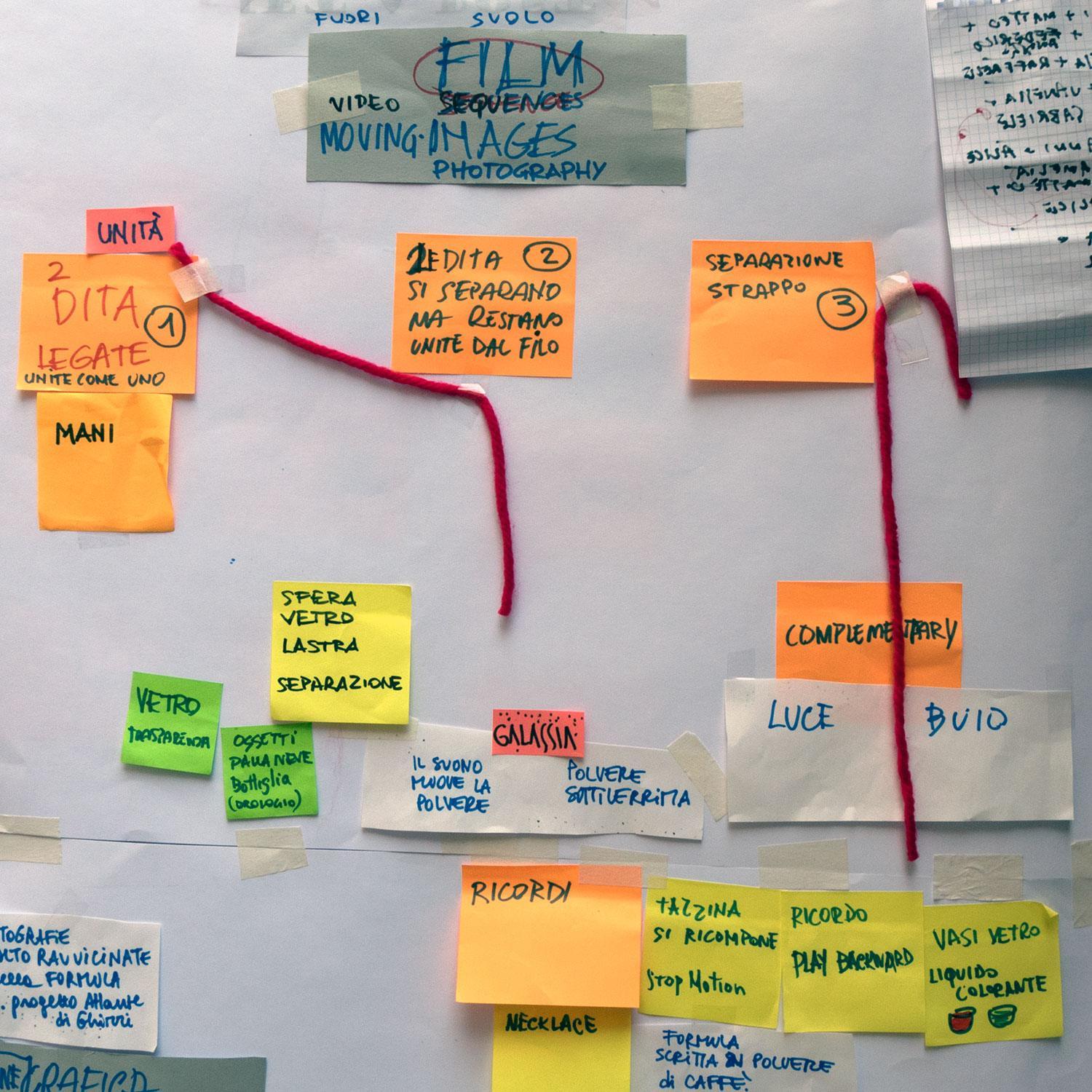
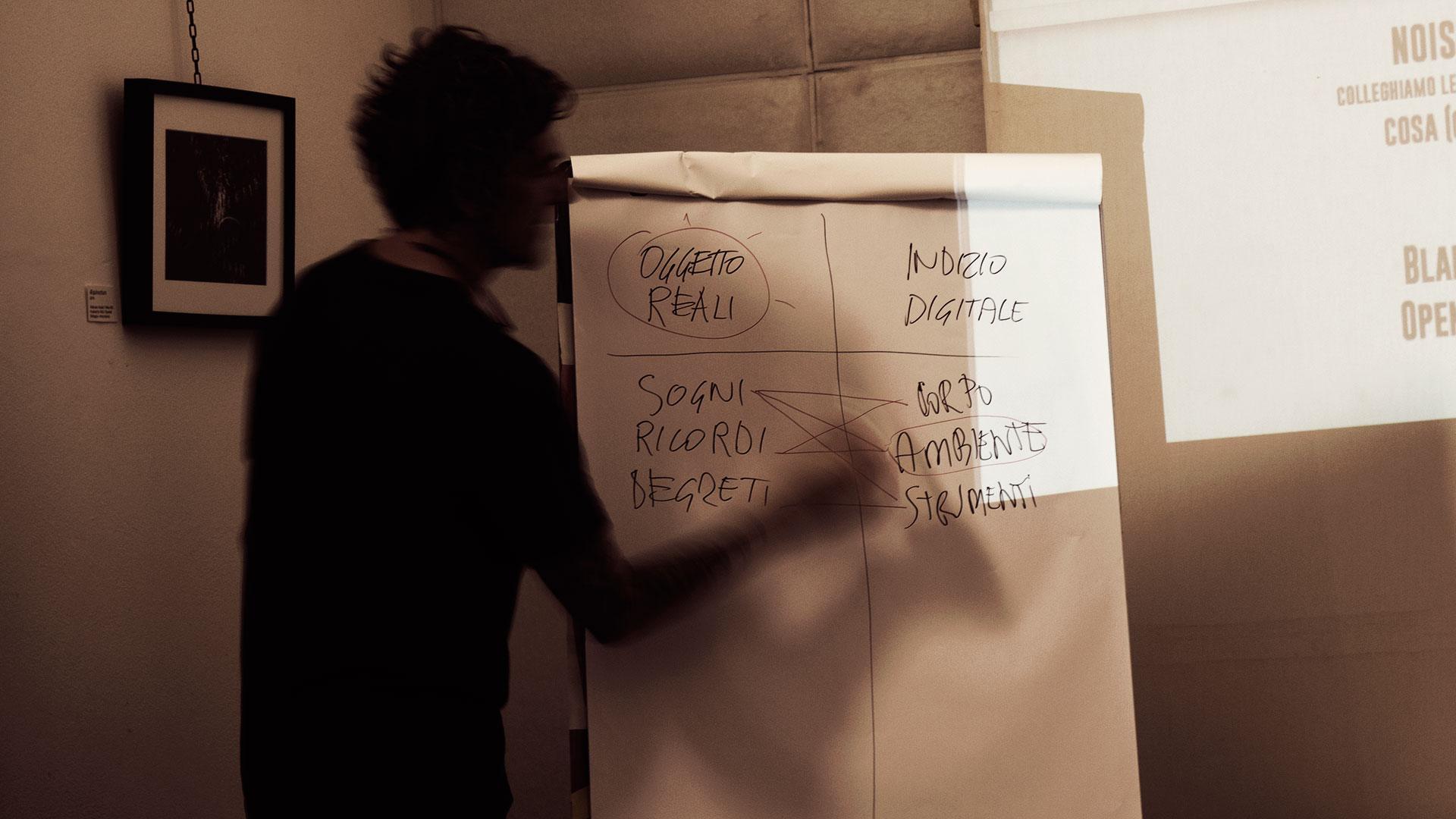
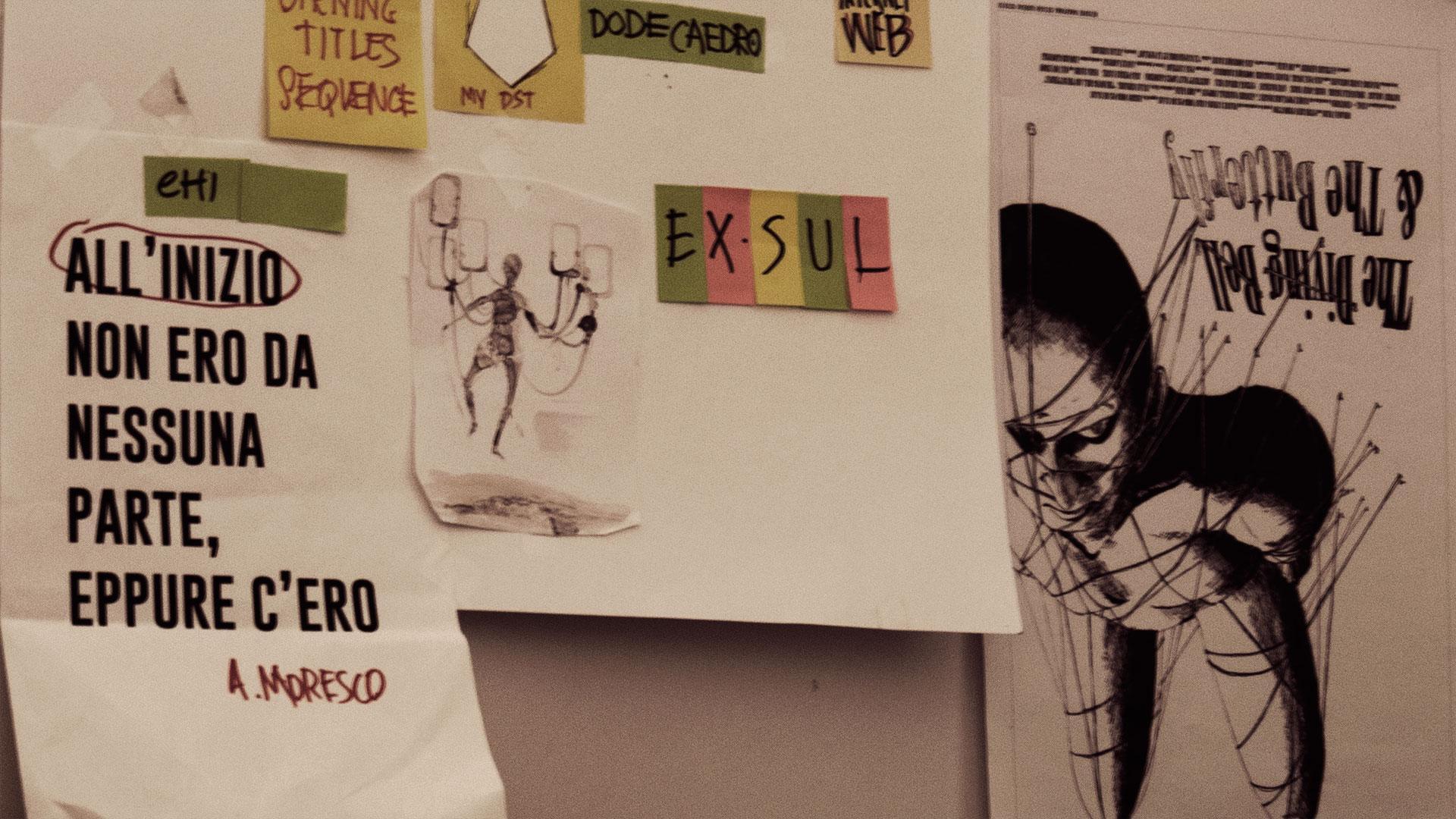
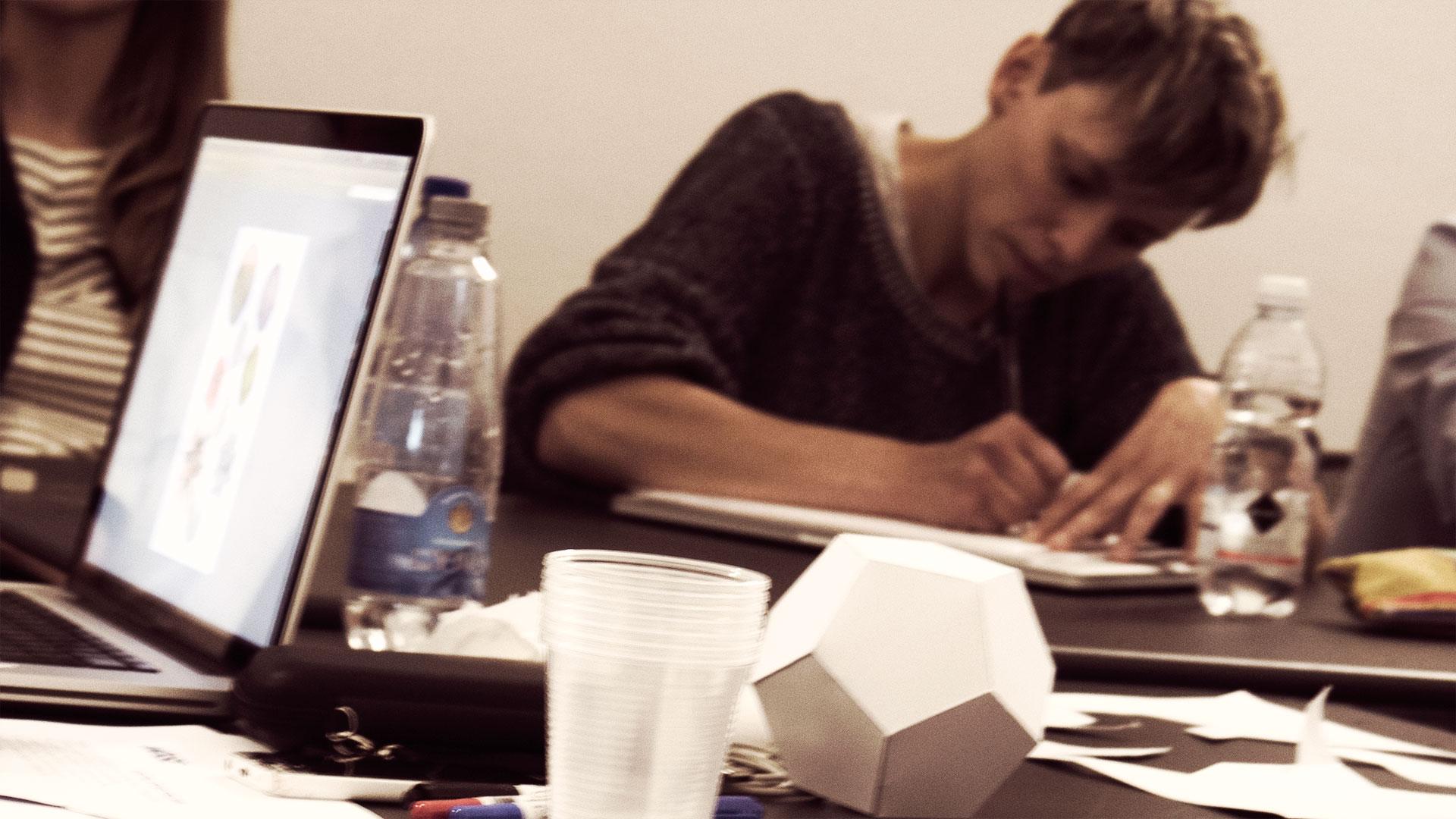
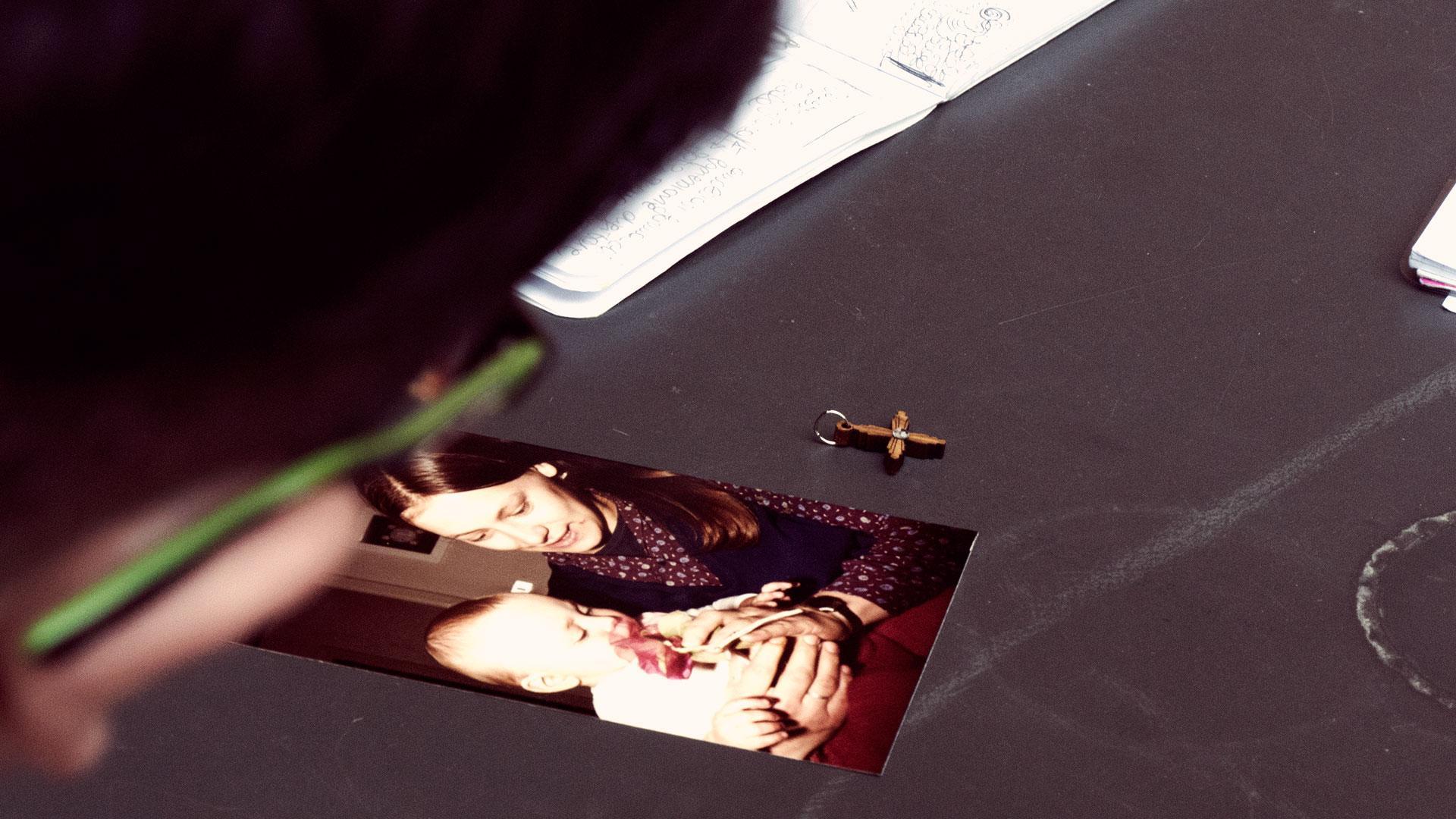
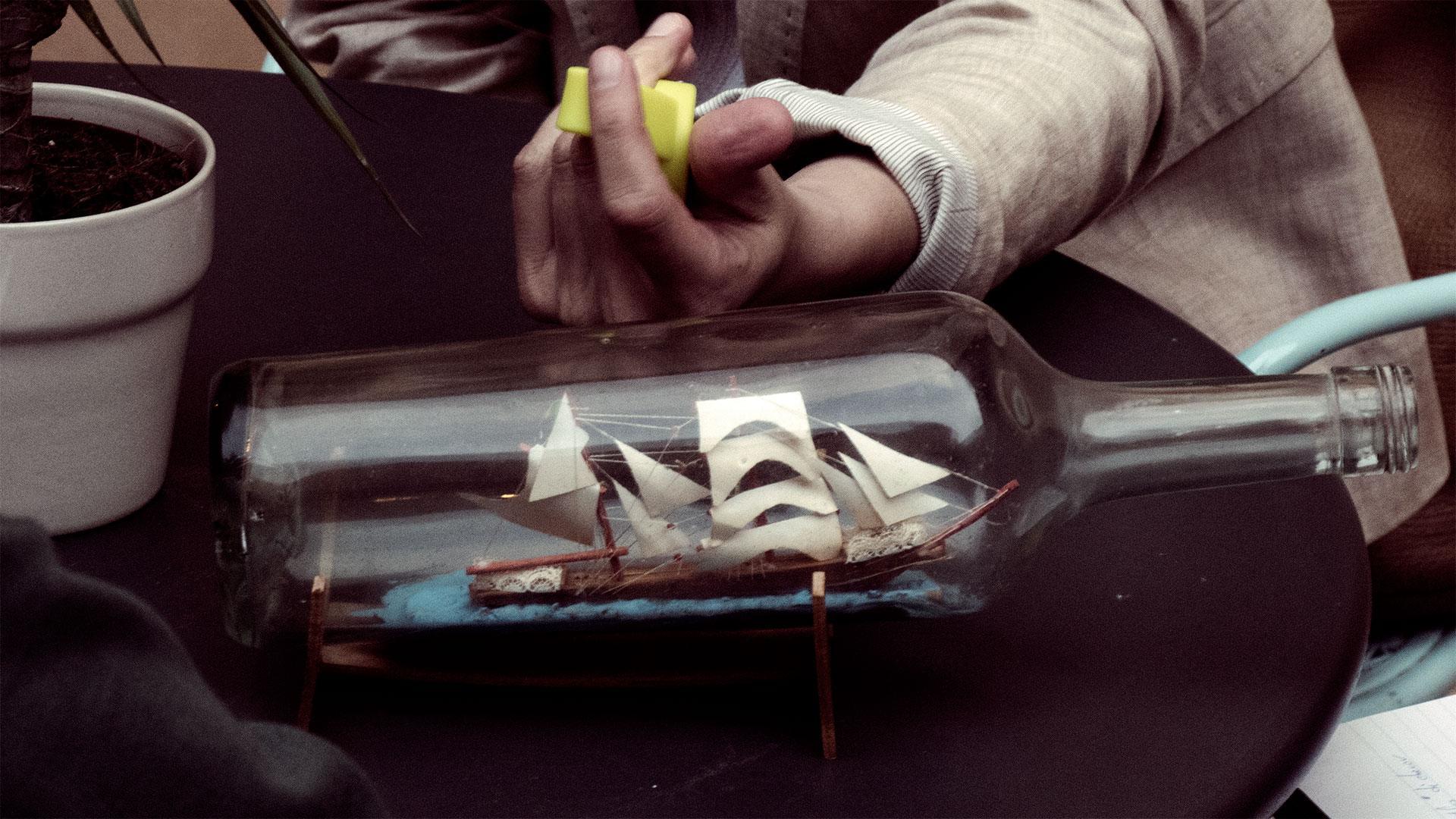
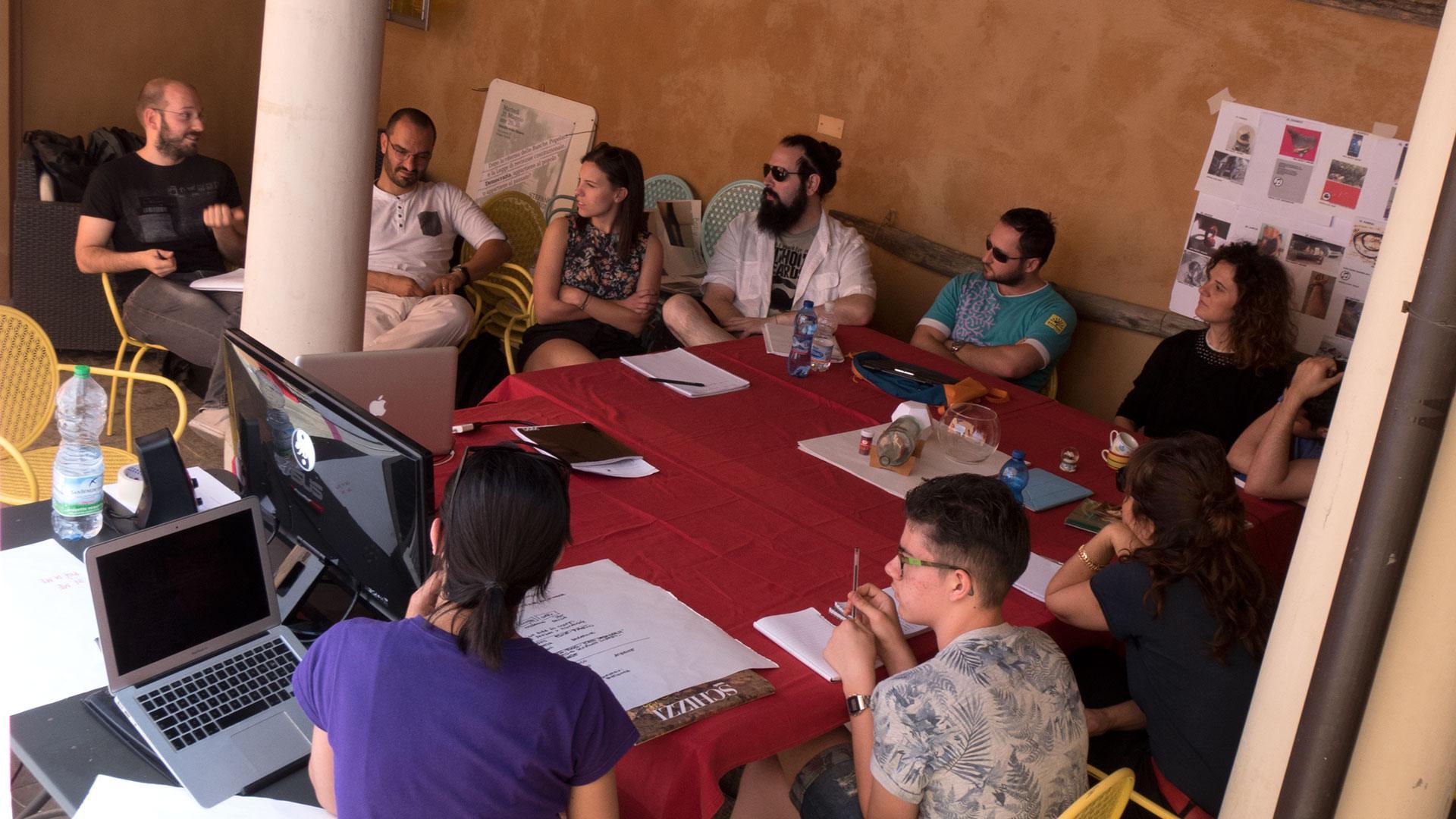
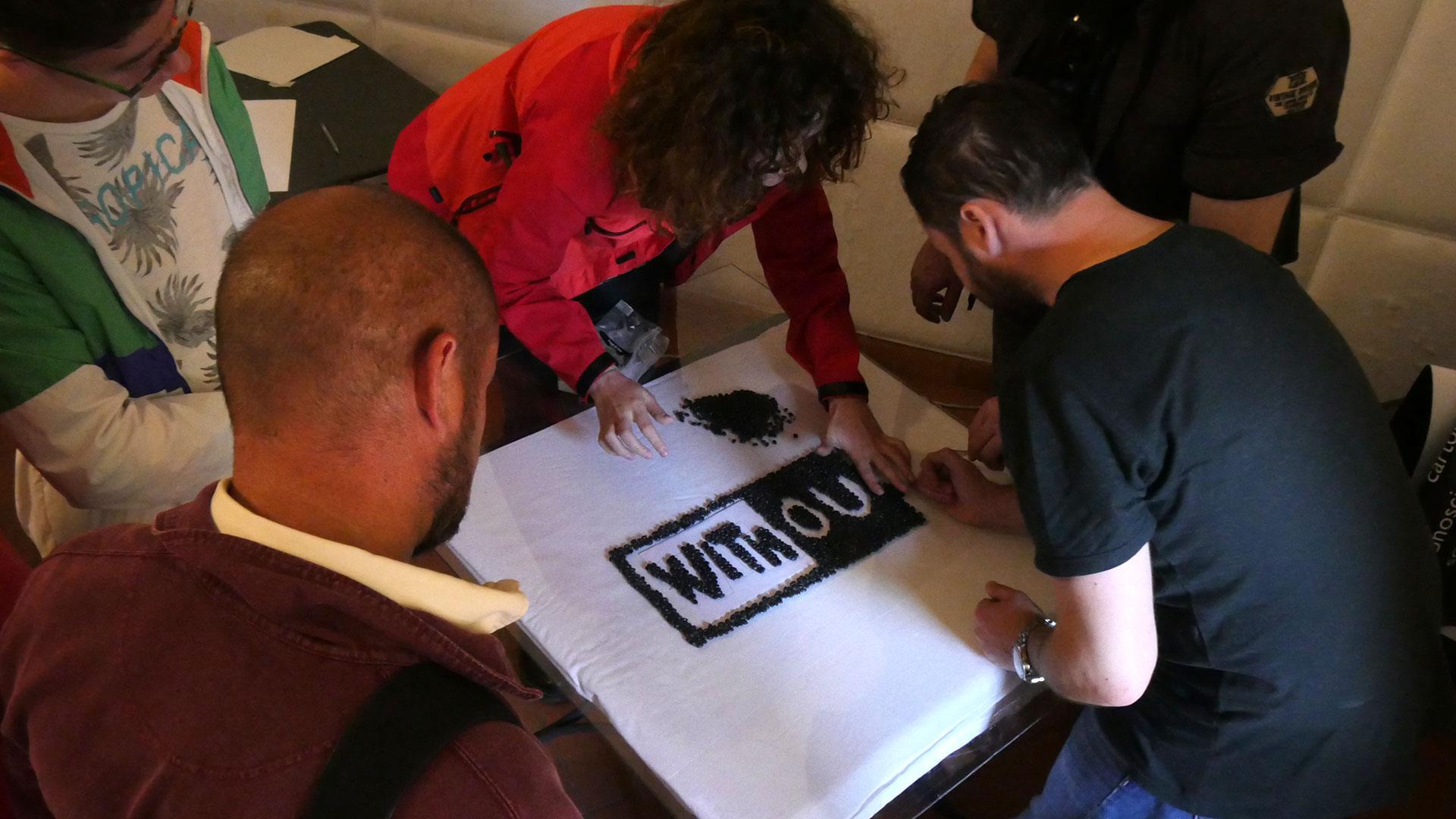
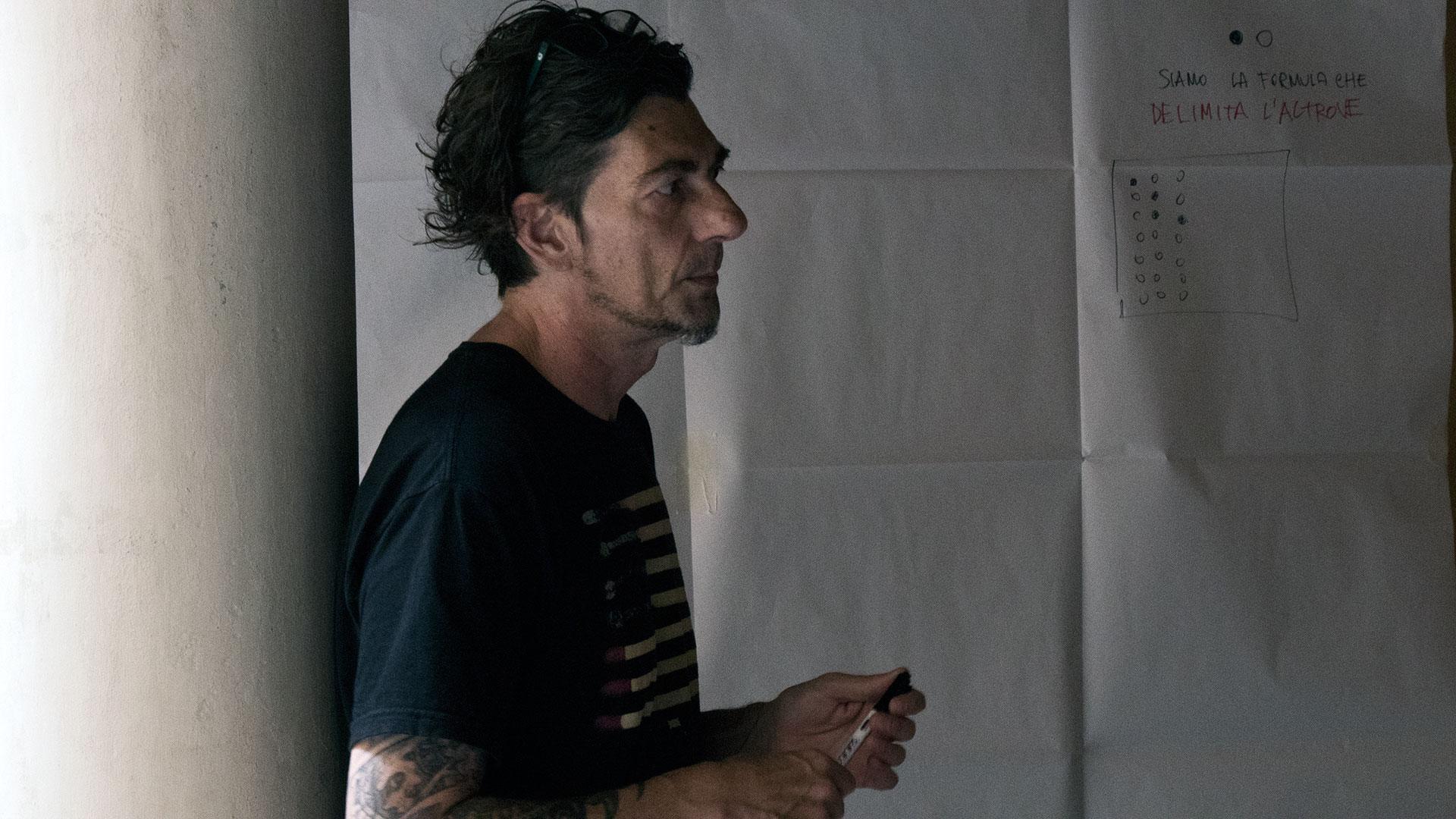
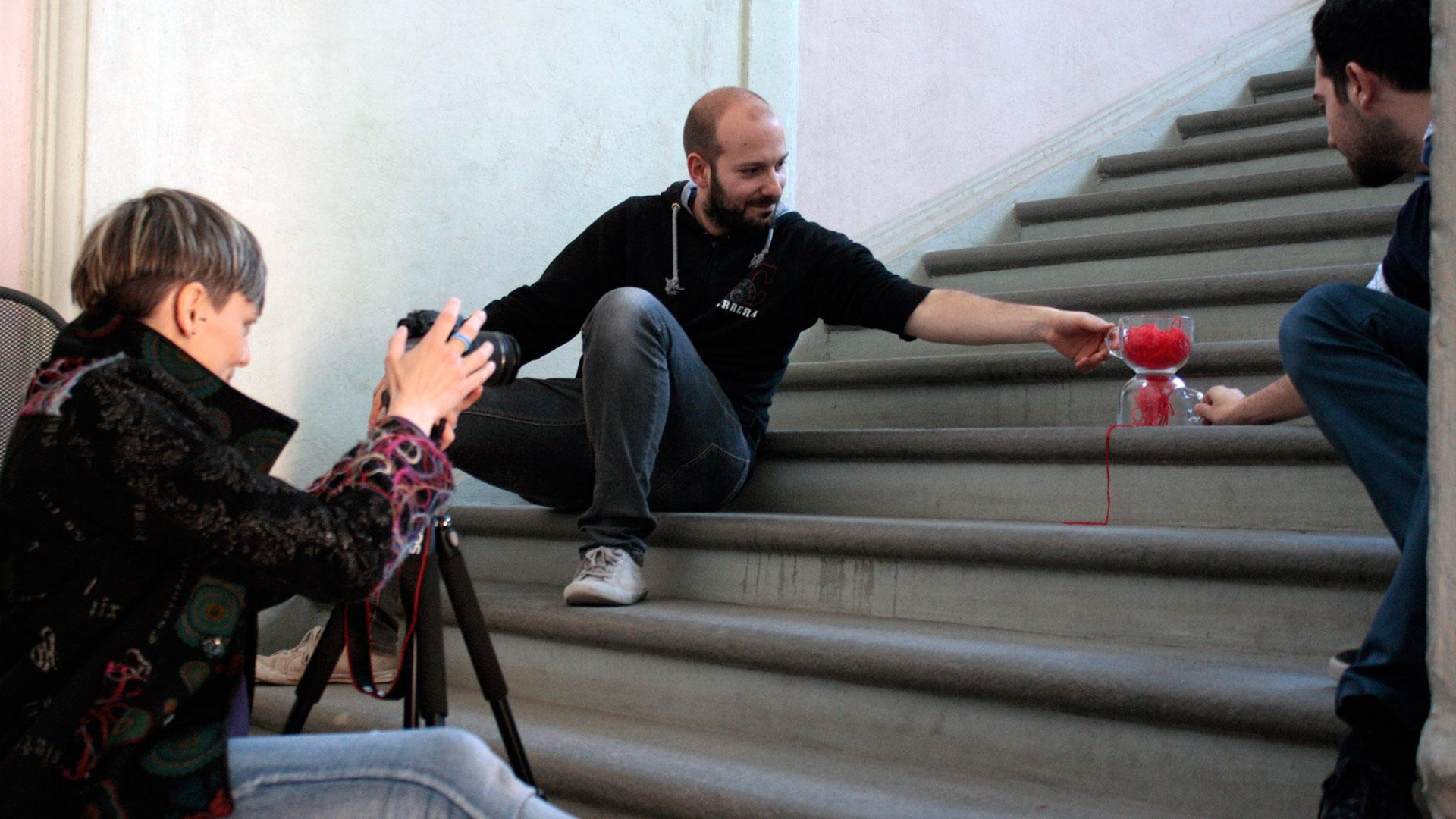
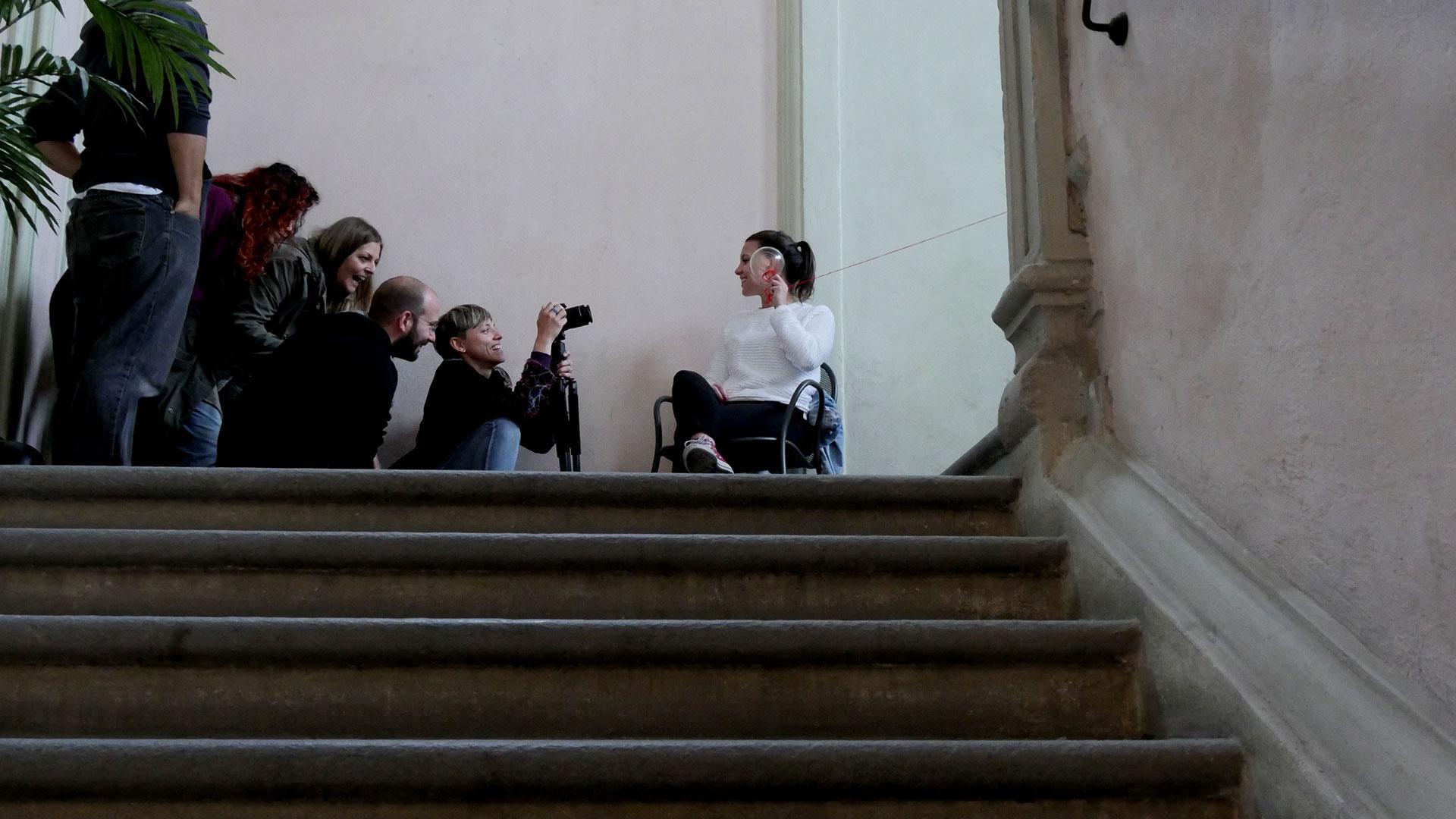
TRANSFORMATION invites participants to work at that threshold. Through symbolic objects, images, archetypal cards, and collective storytelling, we explore what happens when an established narrative meets something it cannot easily accommodate.
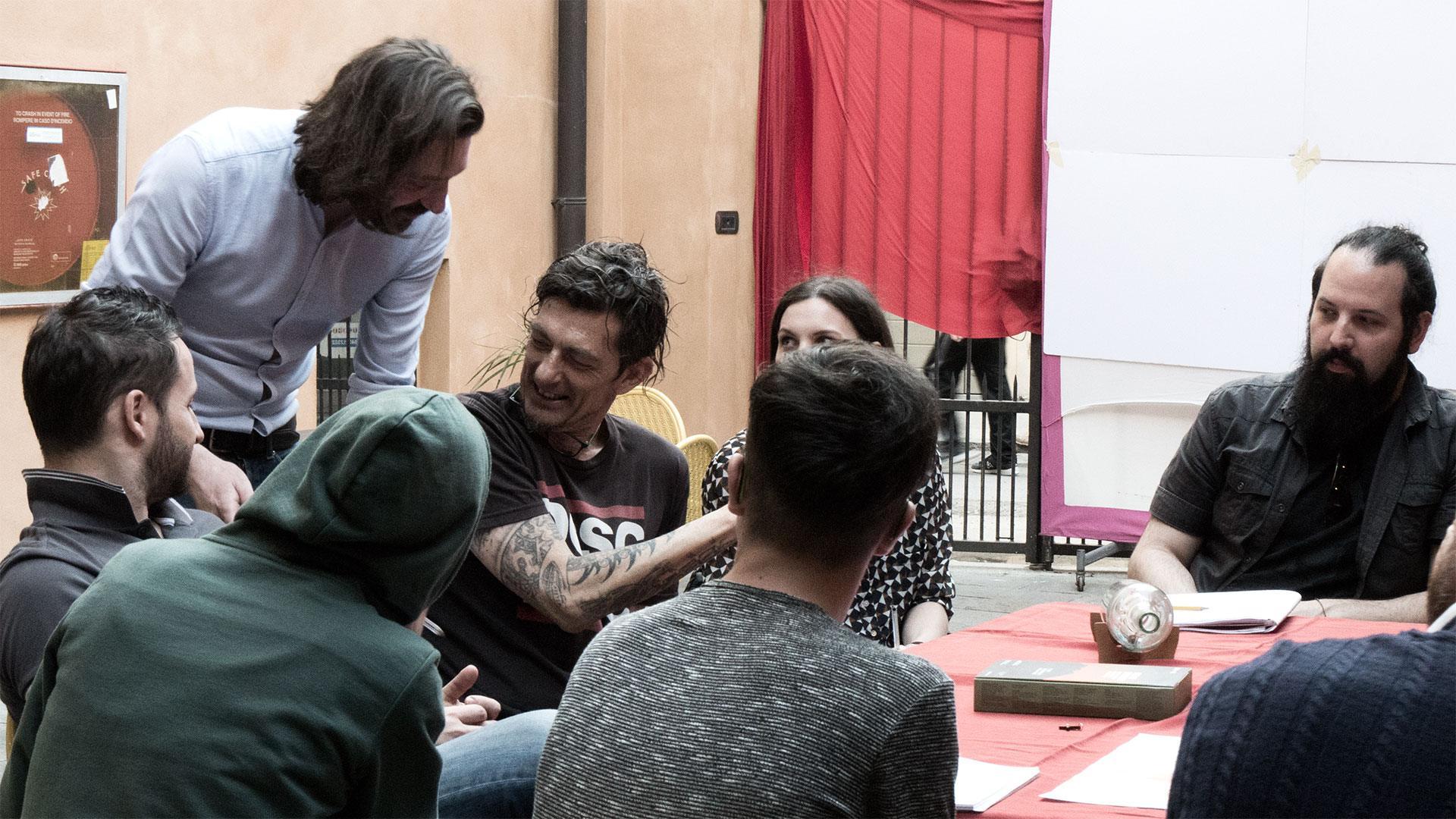
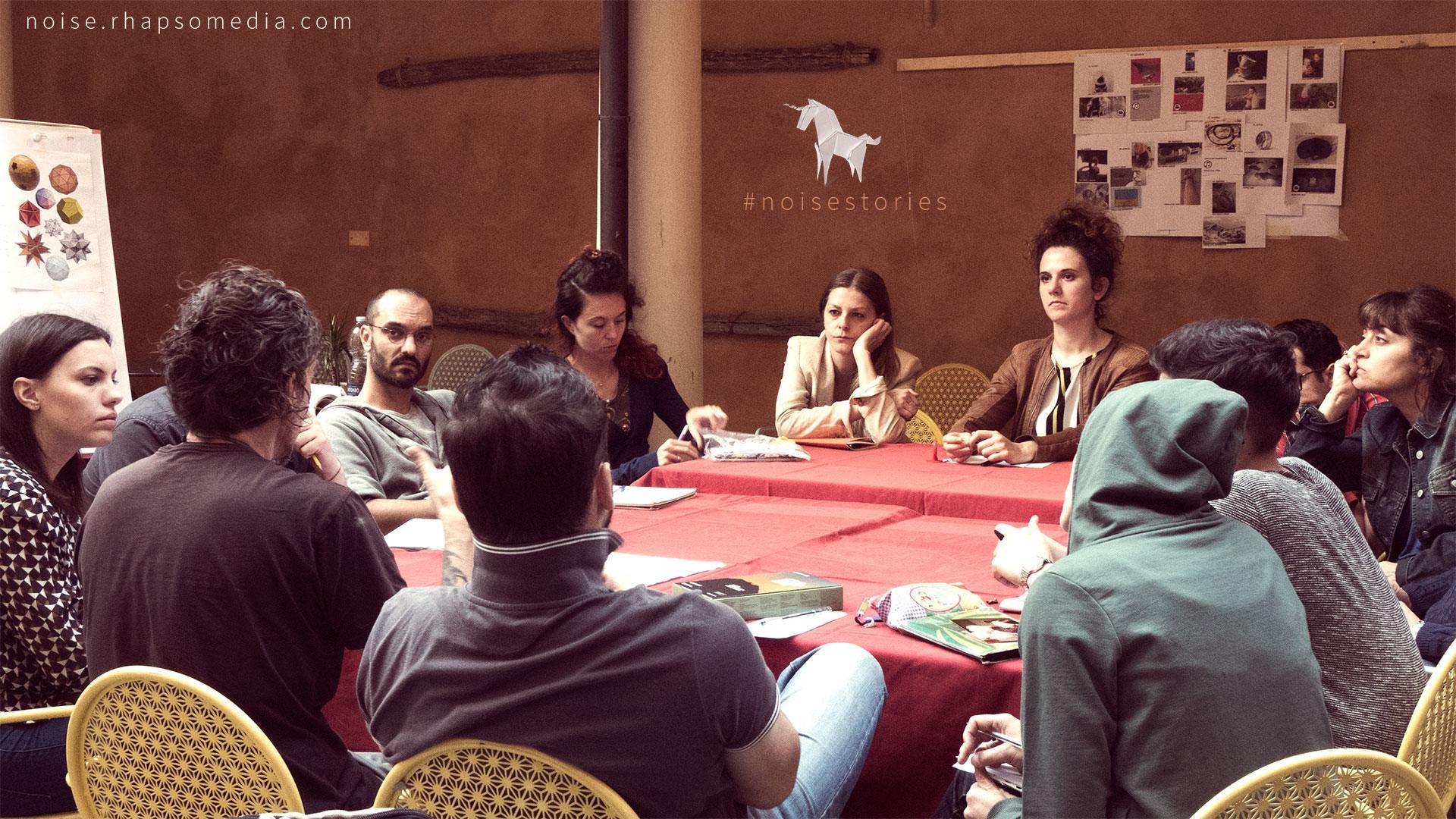
We follow the tensions within the story. What is being protected? What has been left outside? Who might offer help, and what would accepting it require? Participants can work through fictional situations, allowing imagination to approach difficult questions without requiring personal disclosure.
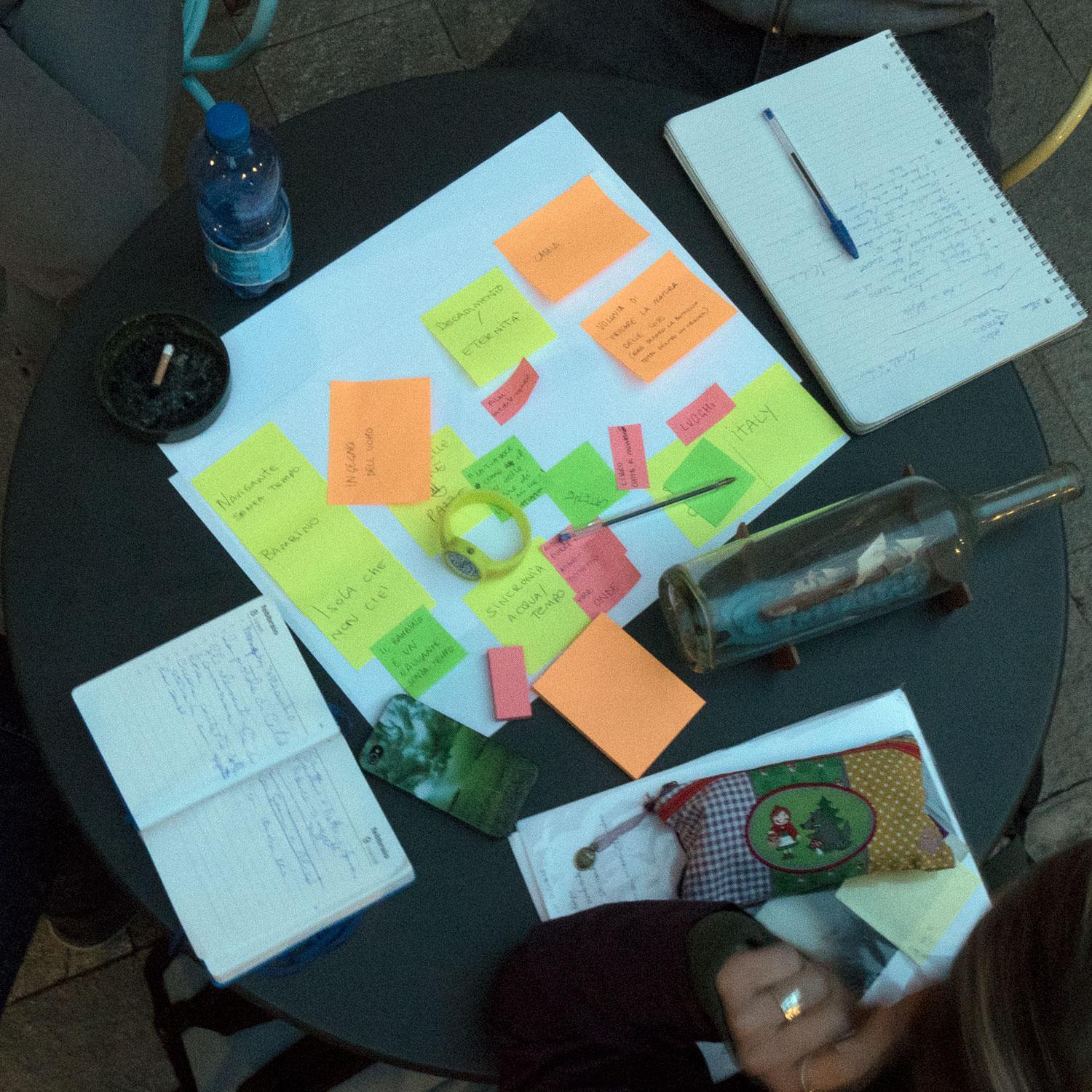
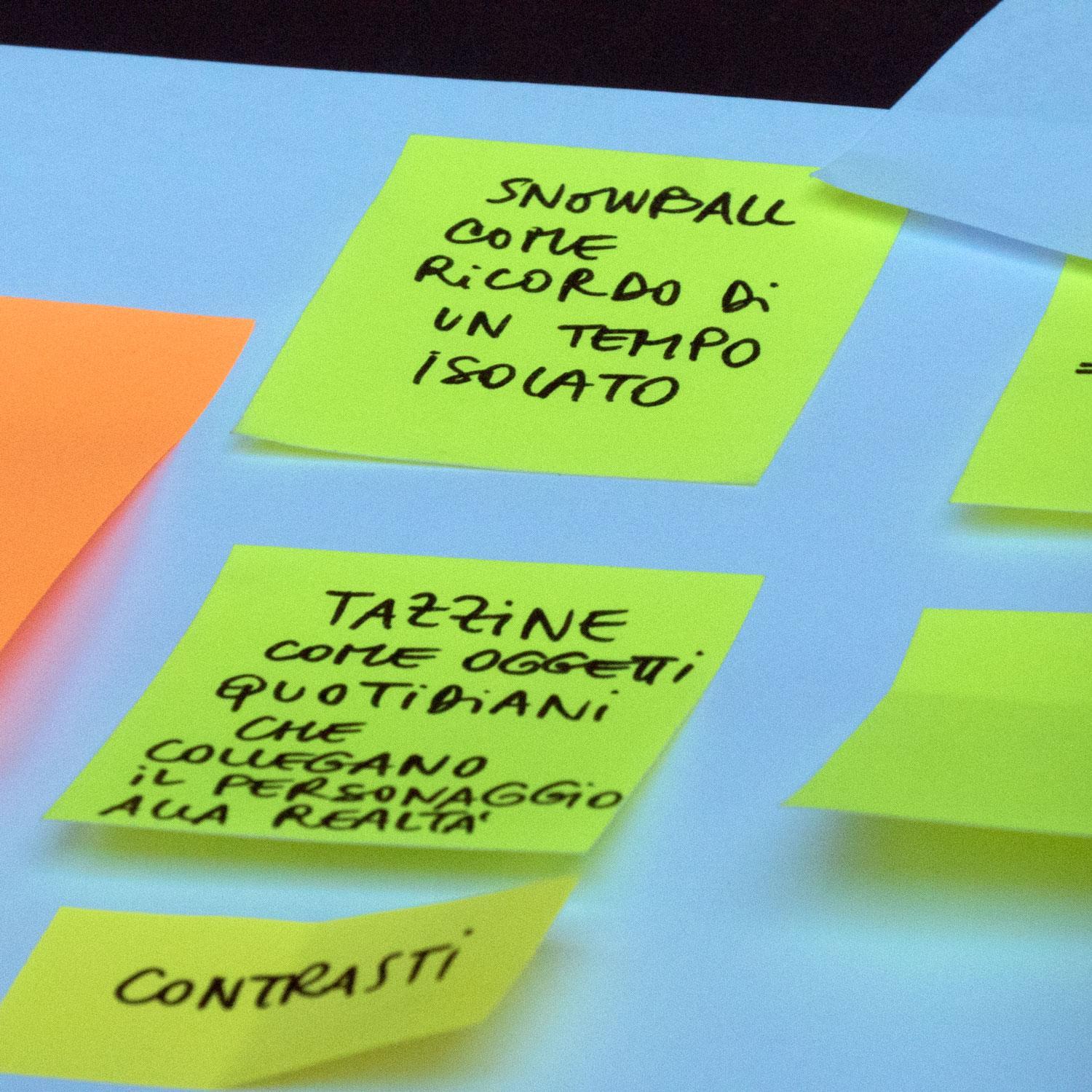
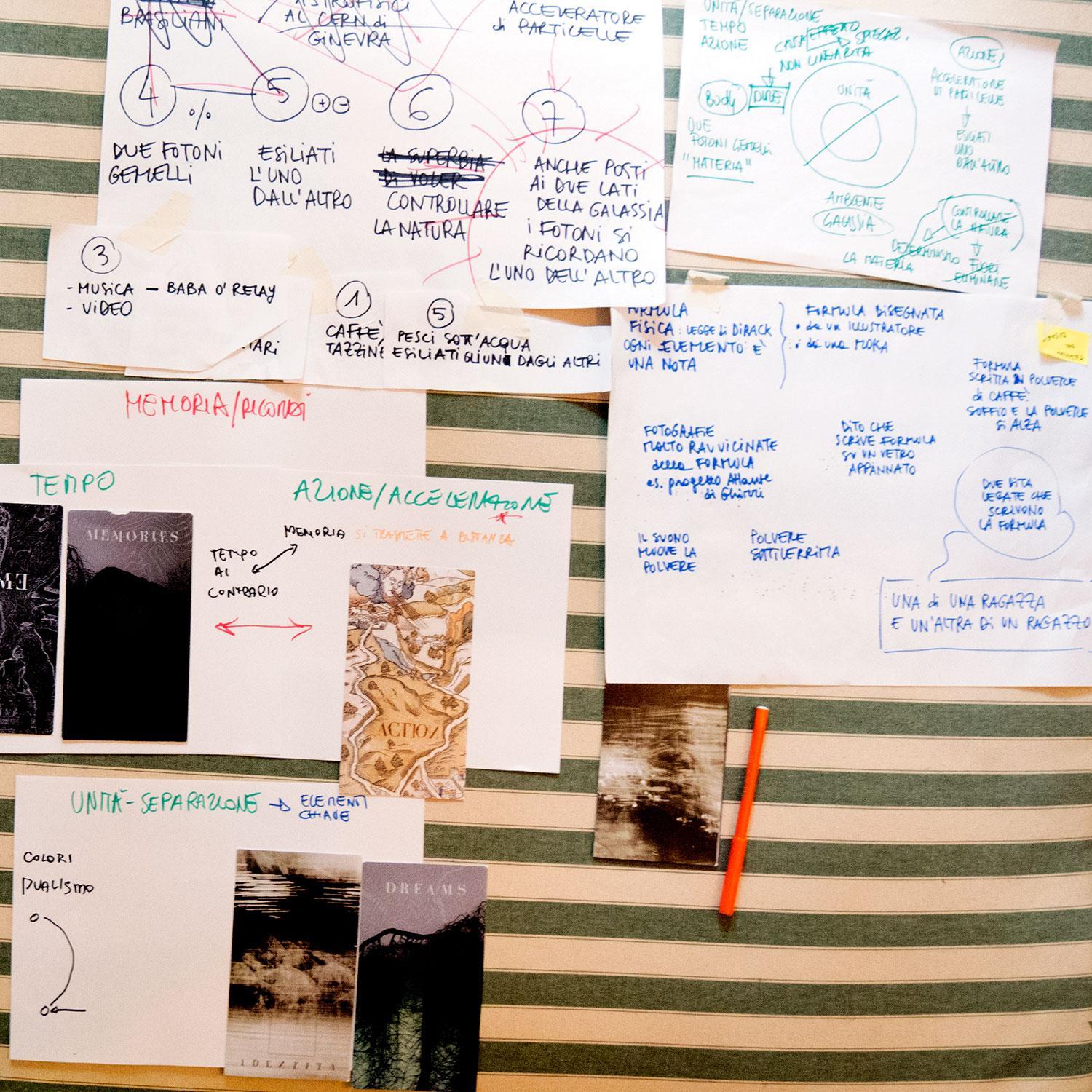
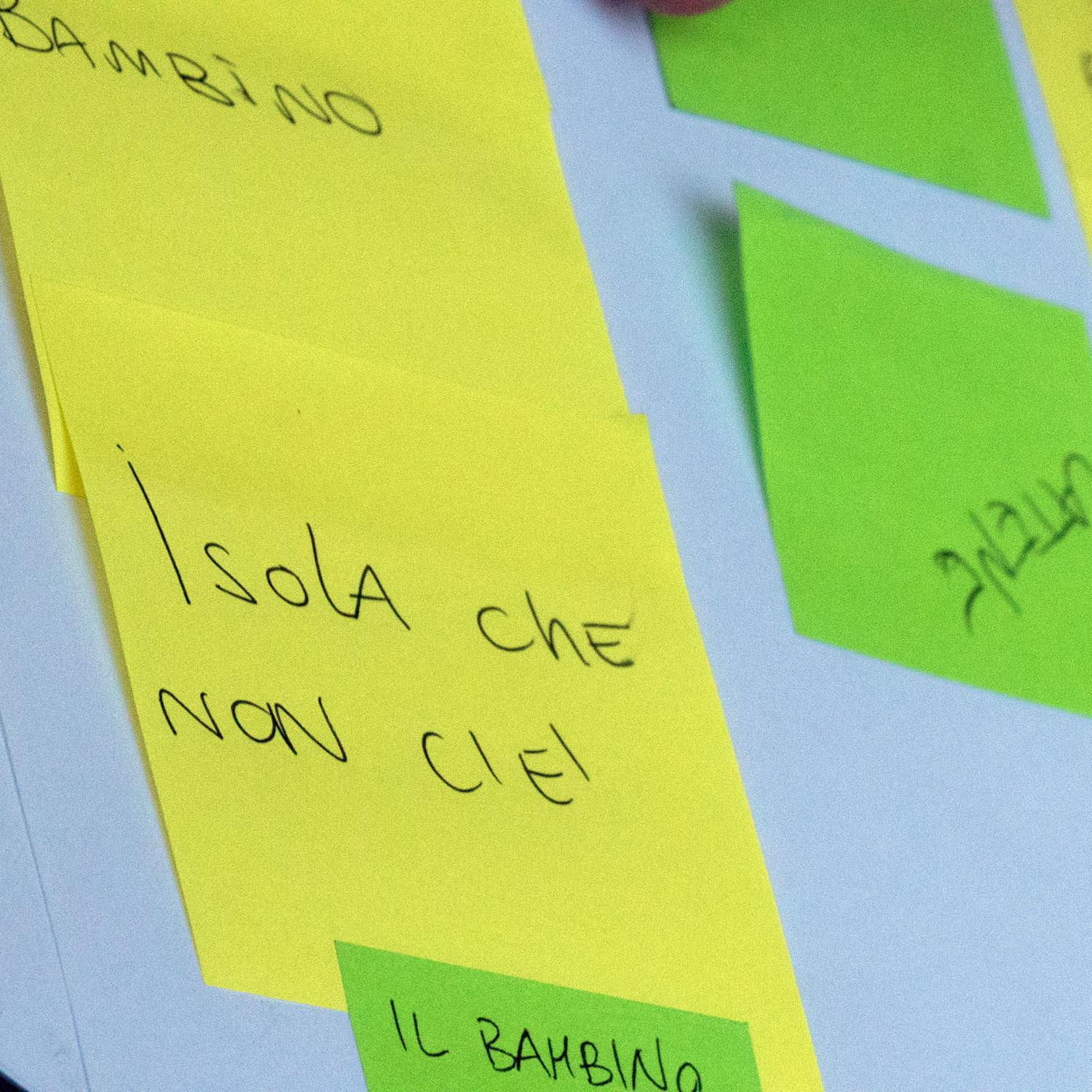
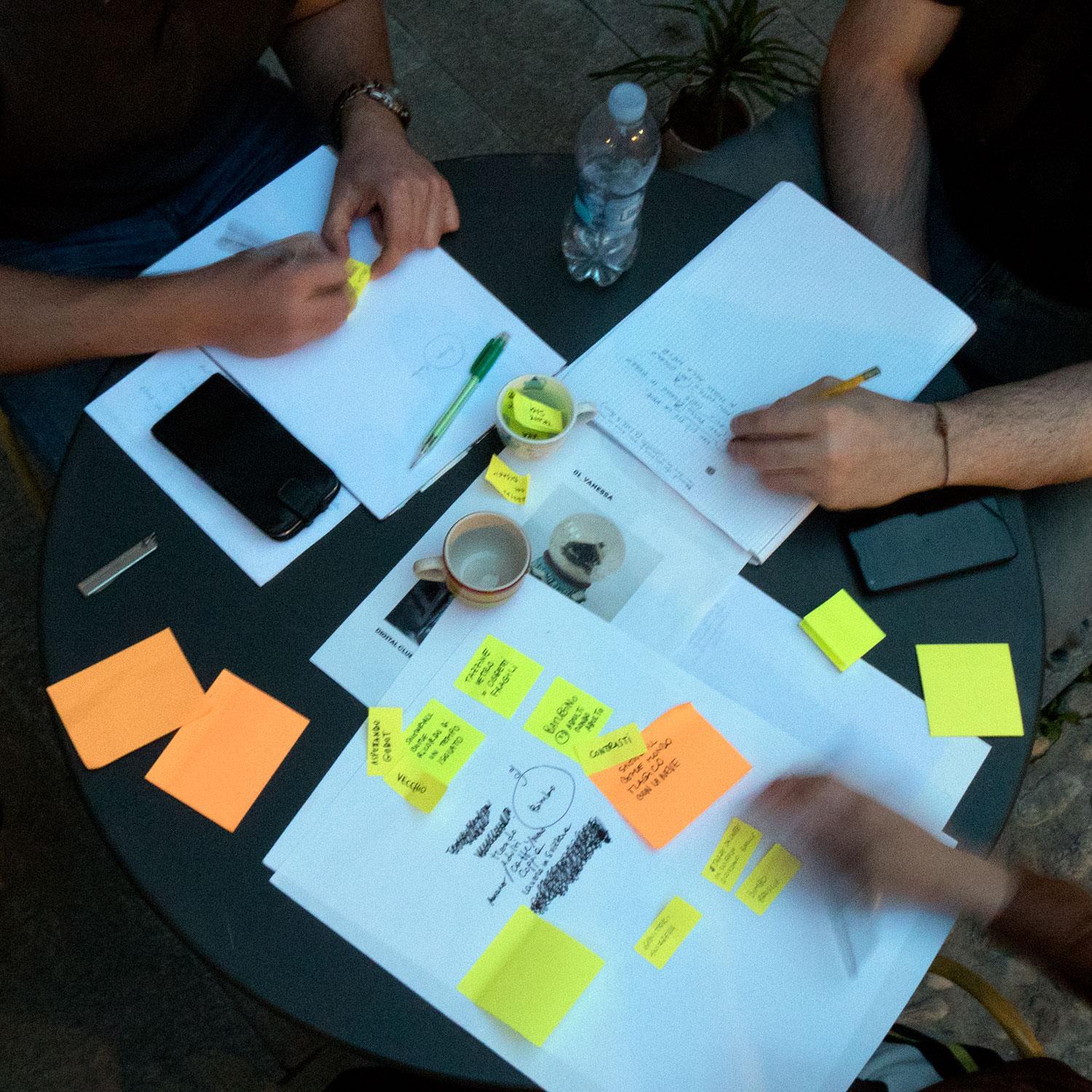
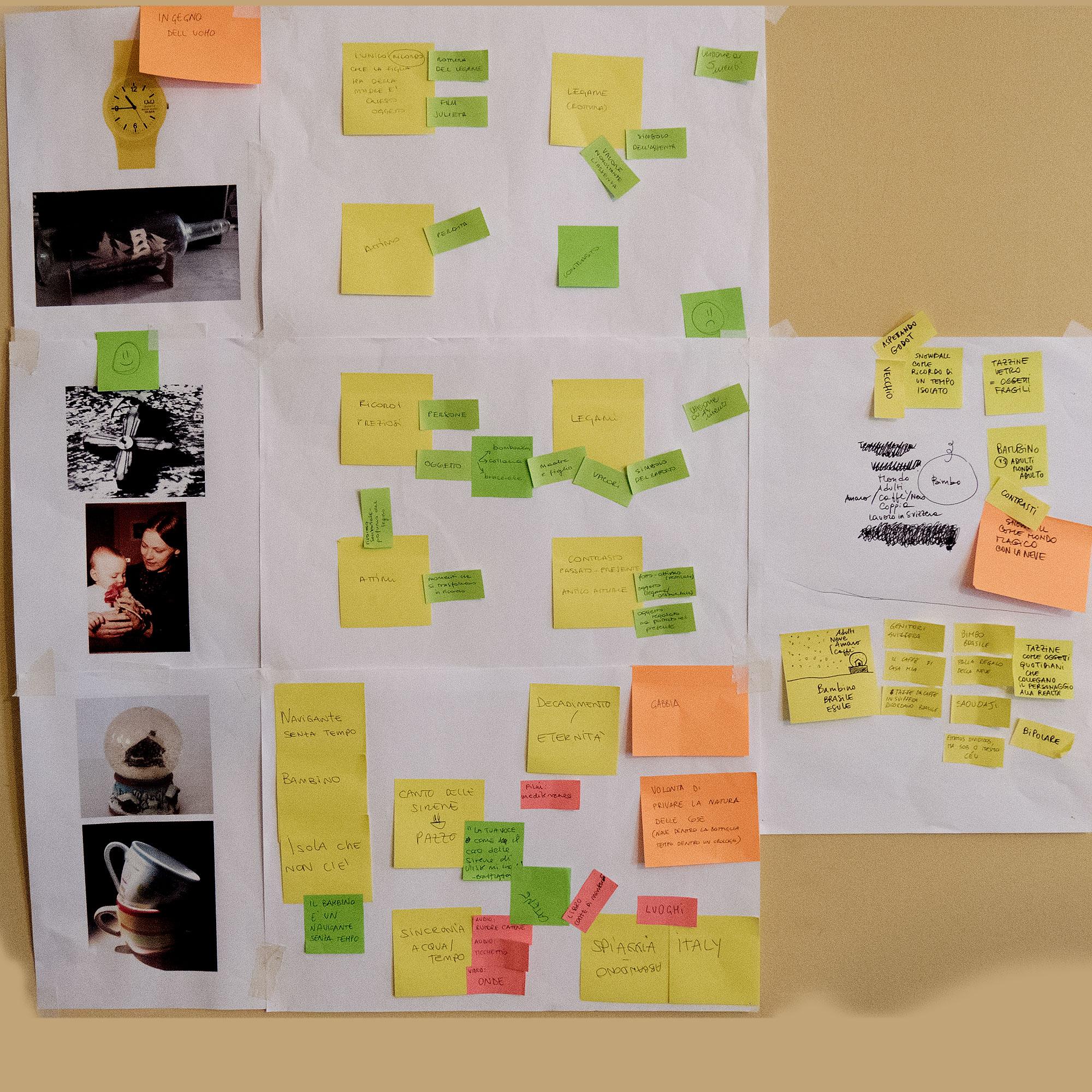
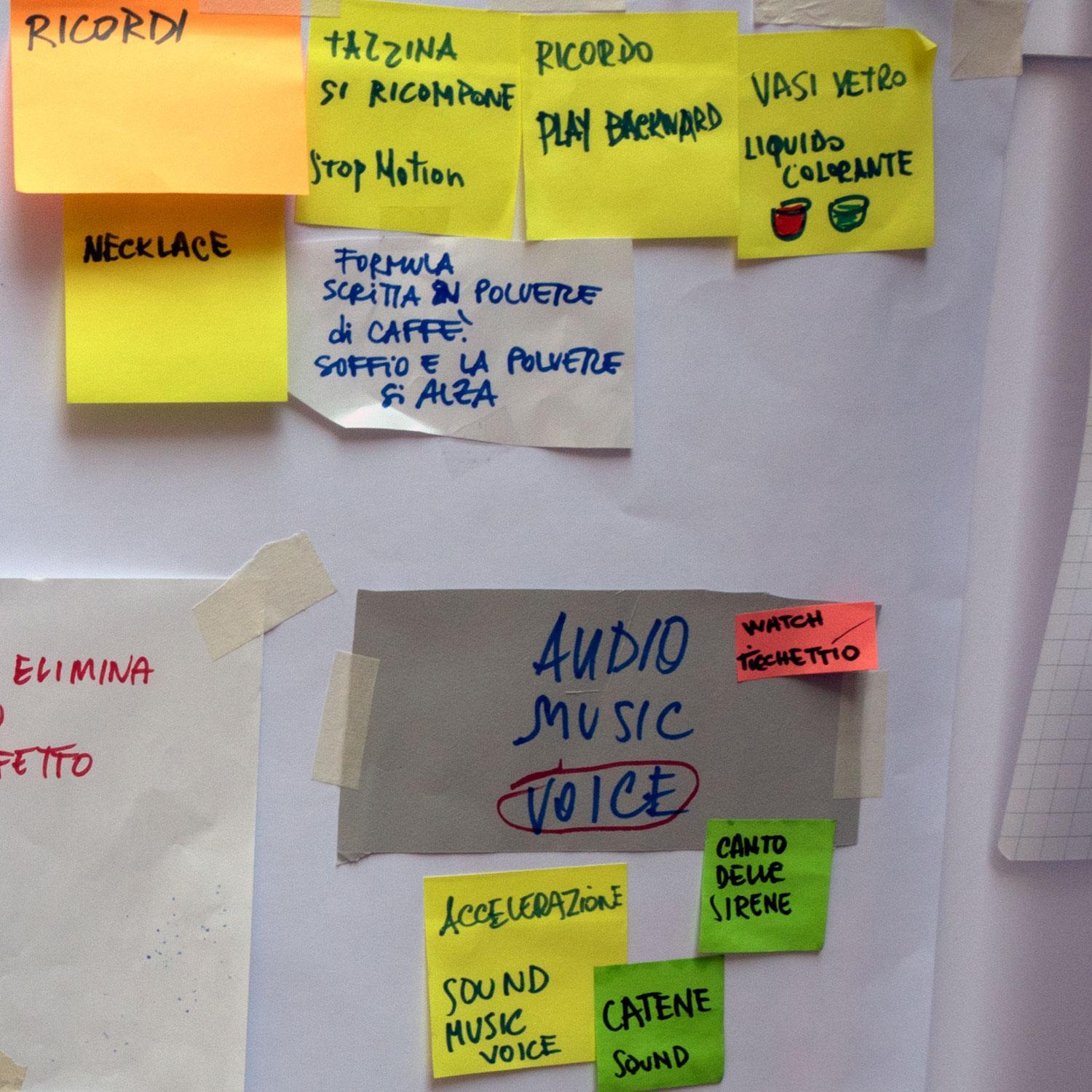
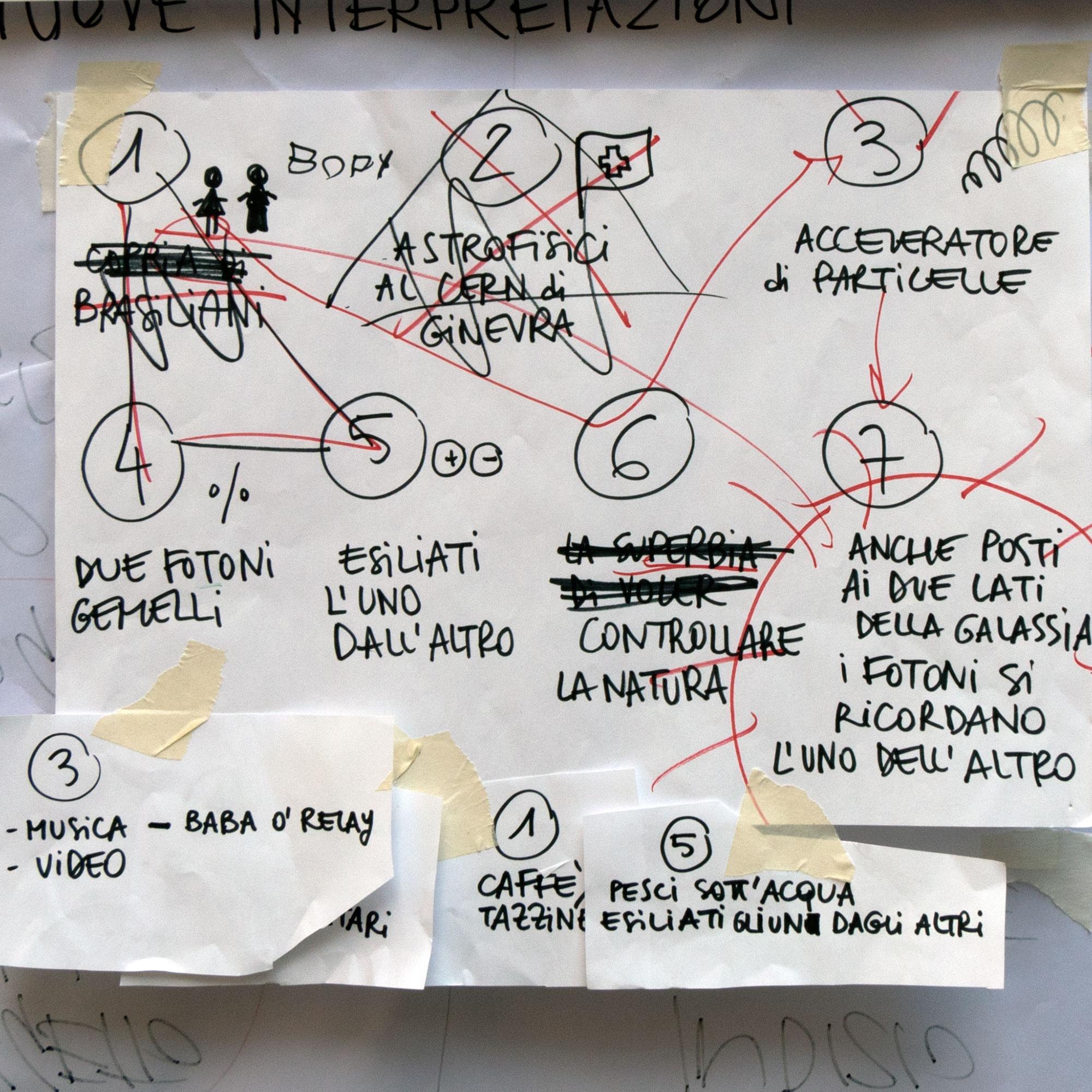
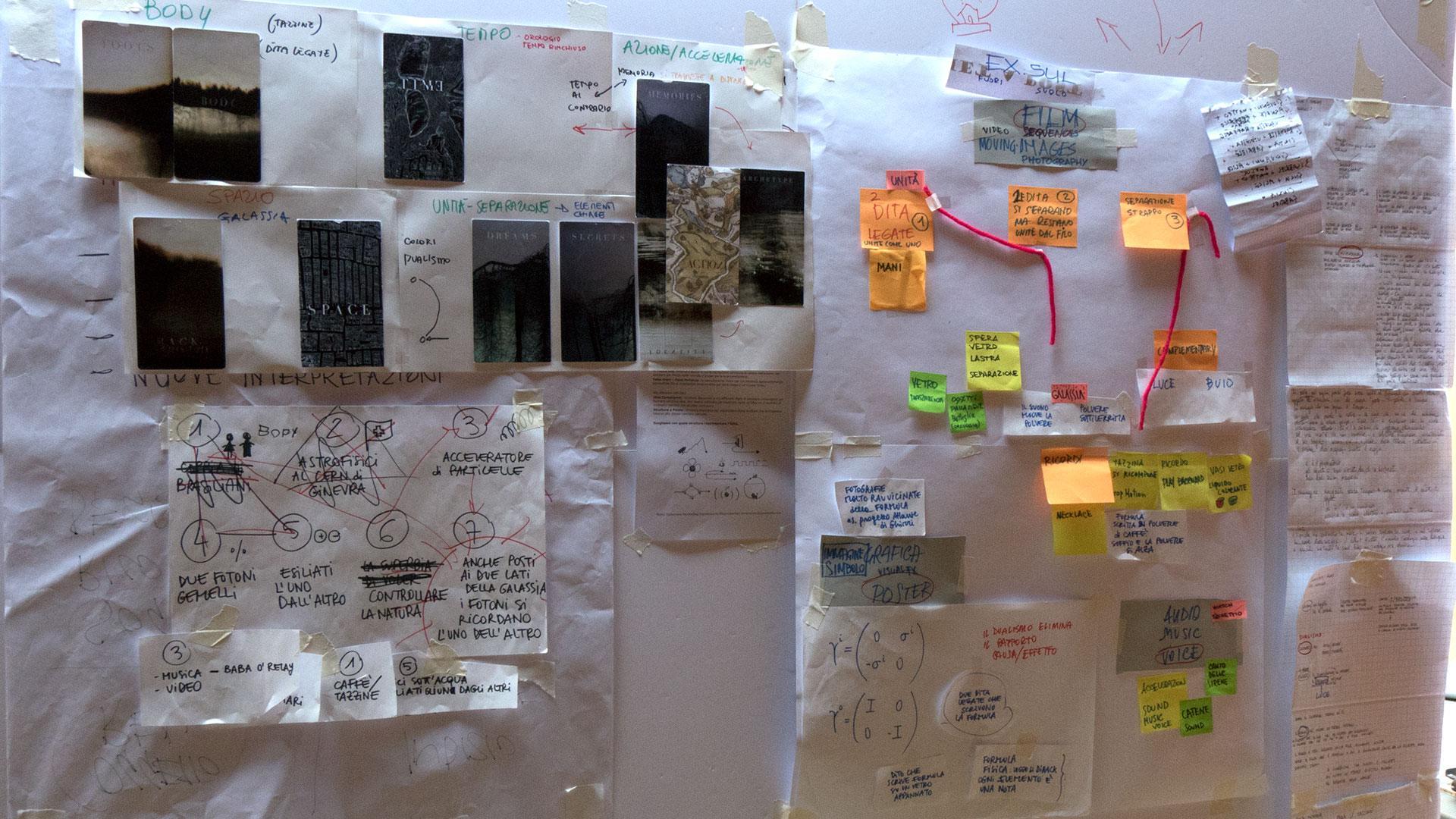
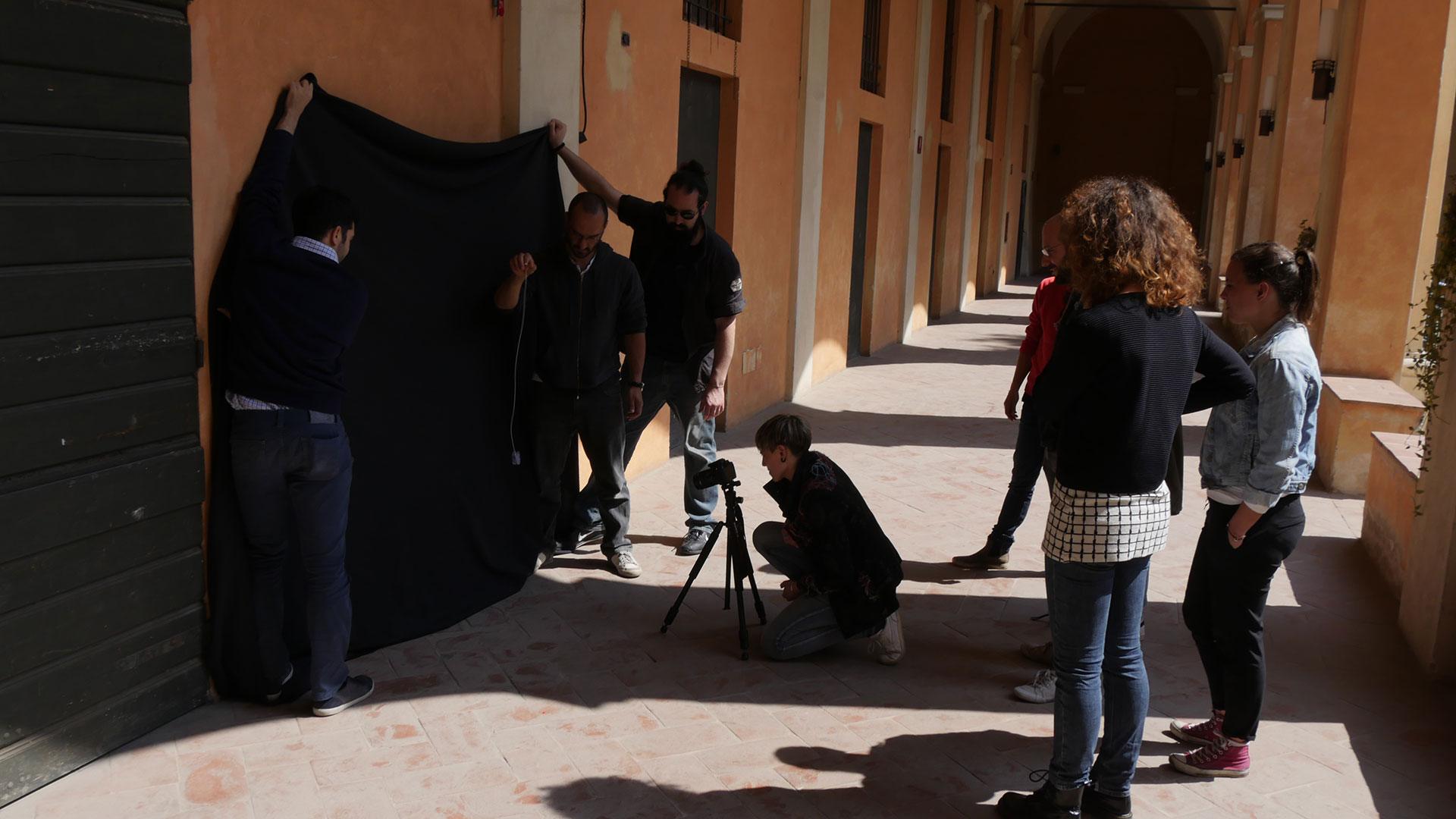
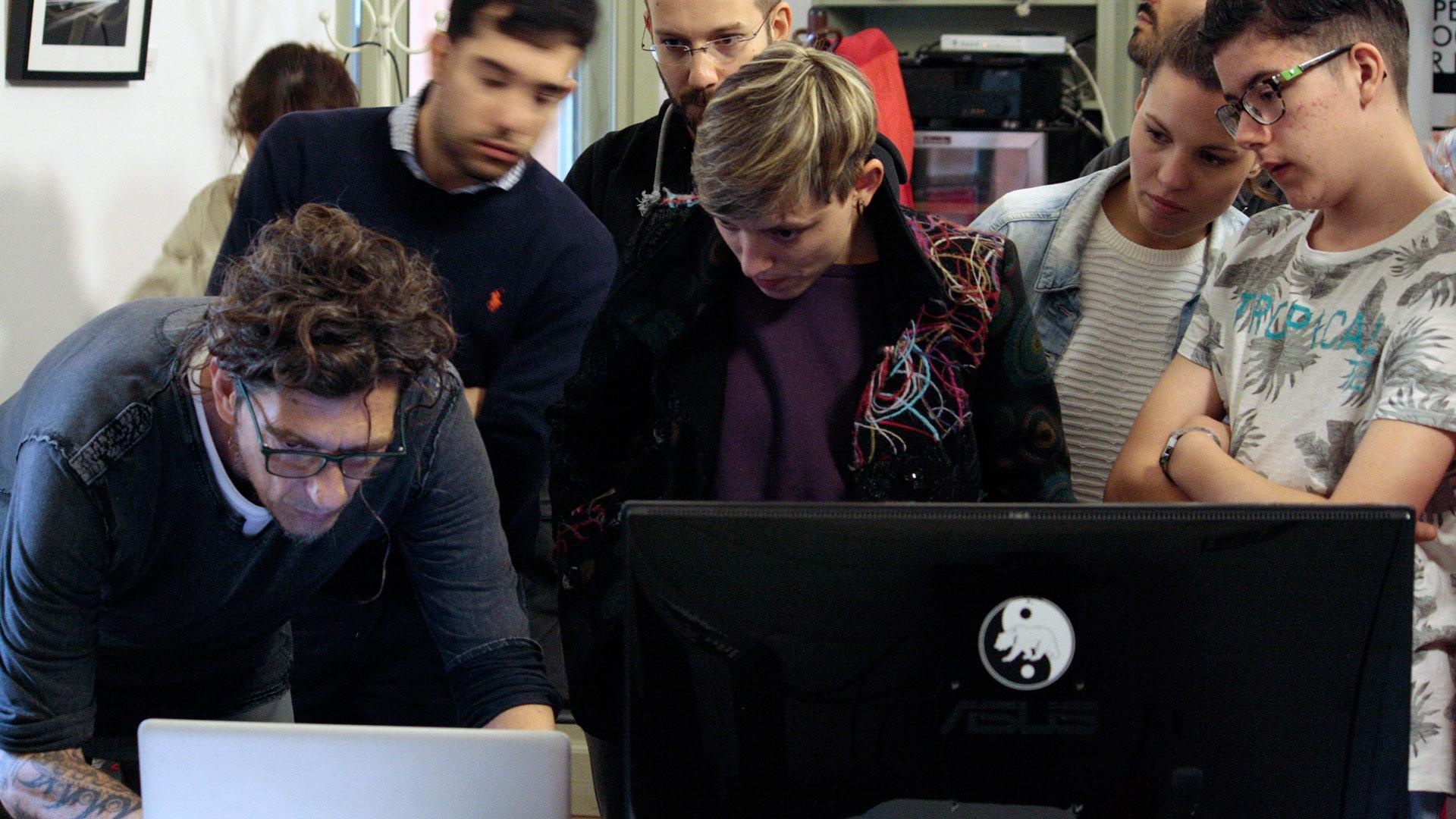
As perspectives shift, we compose a shared narrative through words, objects, and visual relationships. Its form may become a story map, a symbolic assemblage, or an immersive environment that others can enter and interpret.
What becomes possible
when the familiar answer is no longer enough?

What we bring back
A story gives us somewhere to stand. It gathers experience into a shape we can recognize and helps us find our way. Over time, that shape may become so familiar that we stop noticing what it leaves beyond its edges.
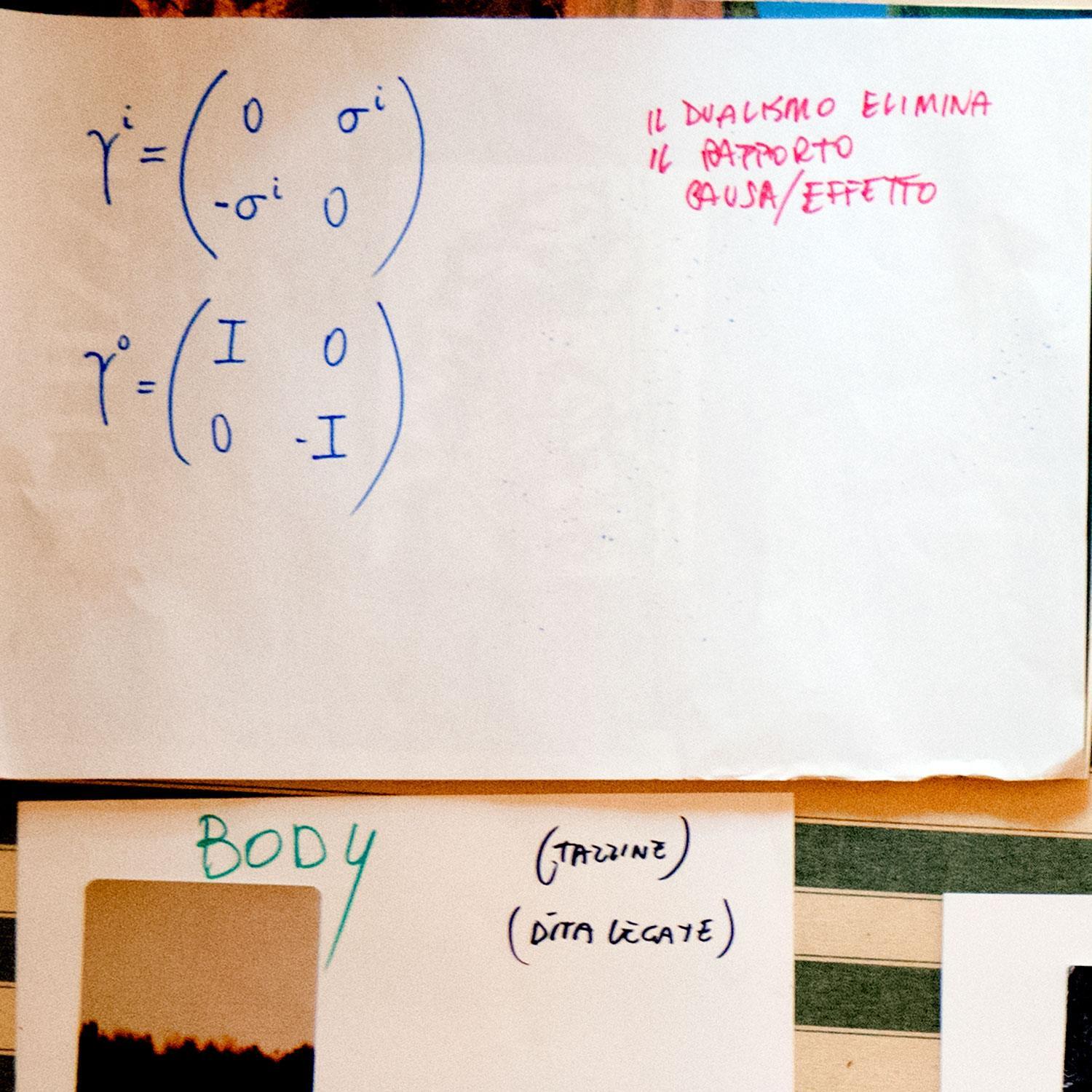
Transformation begins when something unsettles that arrangement. A character refuses the role we assigned them. An apparent enemy reveals another history. The figure we trusted cannot lead us any further. We have to stay with the question long enough for another relationship to become possible.
Here, the archetypes become companions in a passage. The explorer may need the patience of the caregiver. The ruler may have to listen to the child. The trickster may loosen a certainty that courage alone could not move. Their encounters let us experiment with responses beyond the one we first imagined.
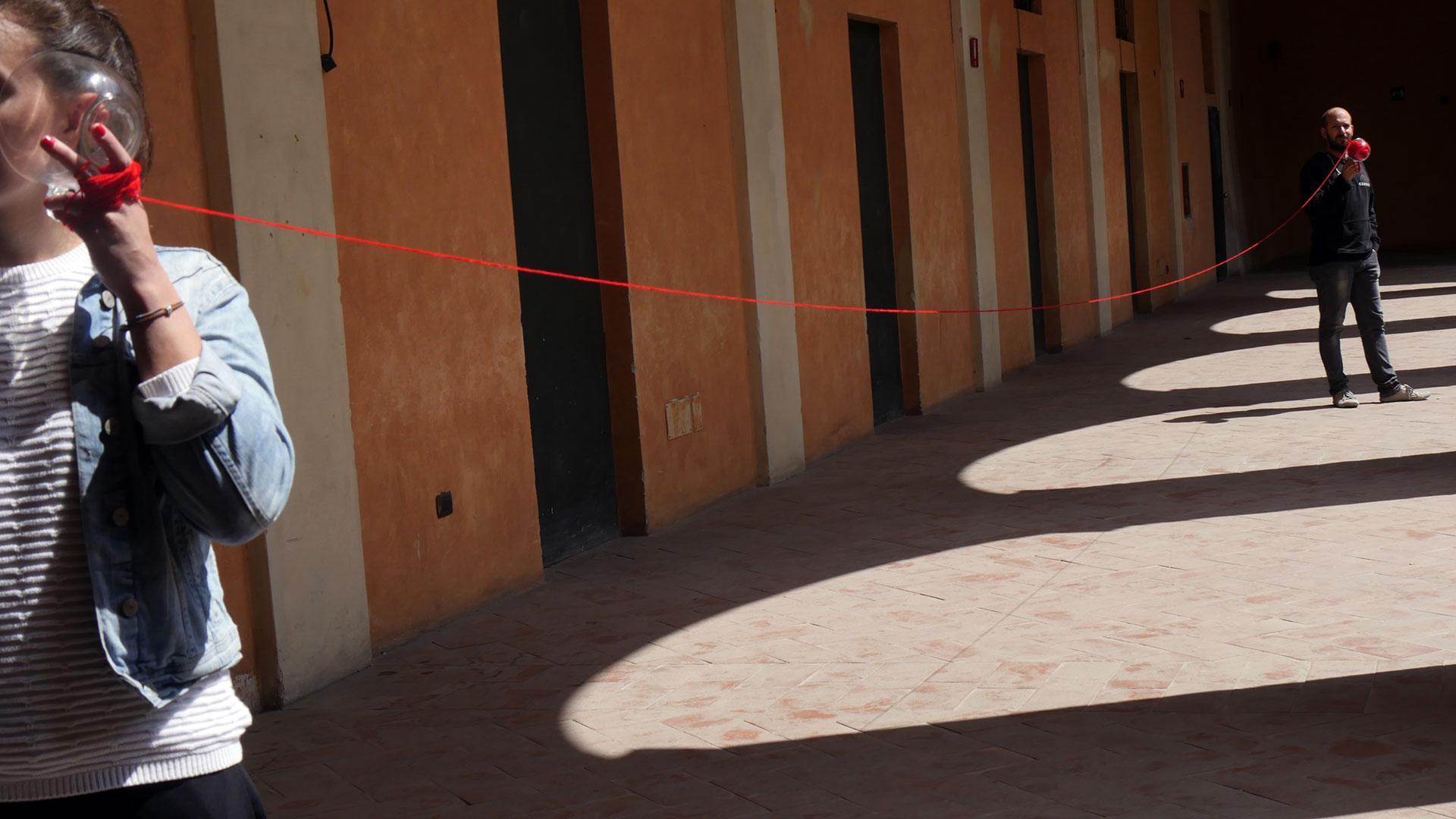
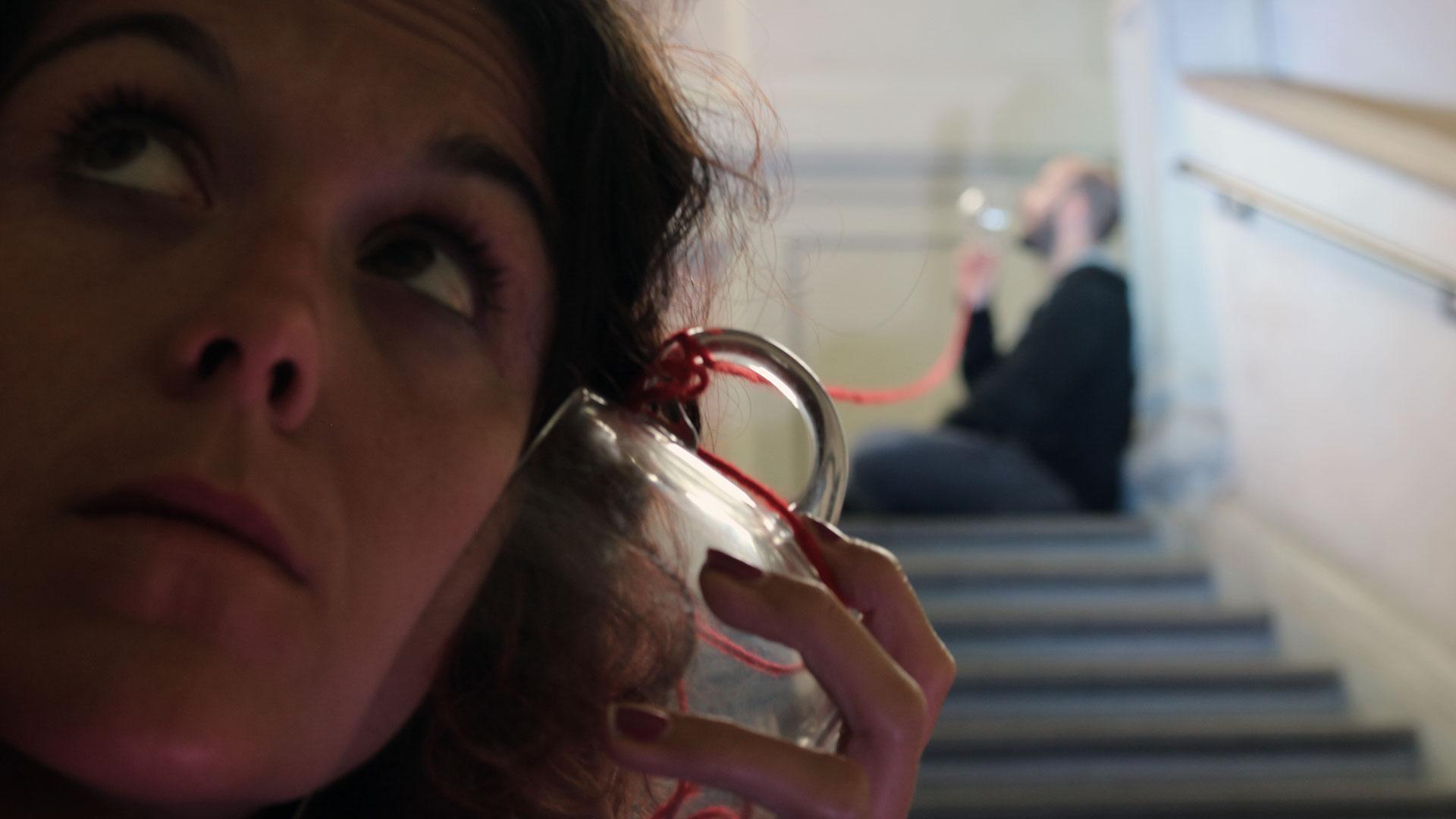
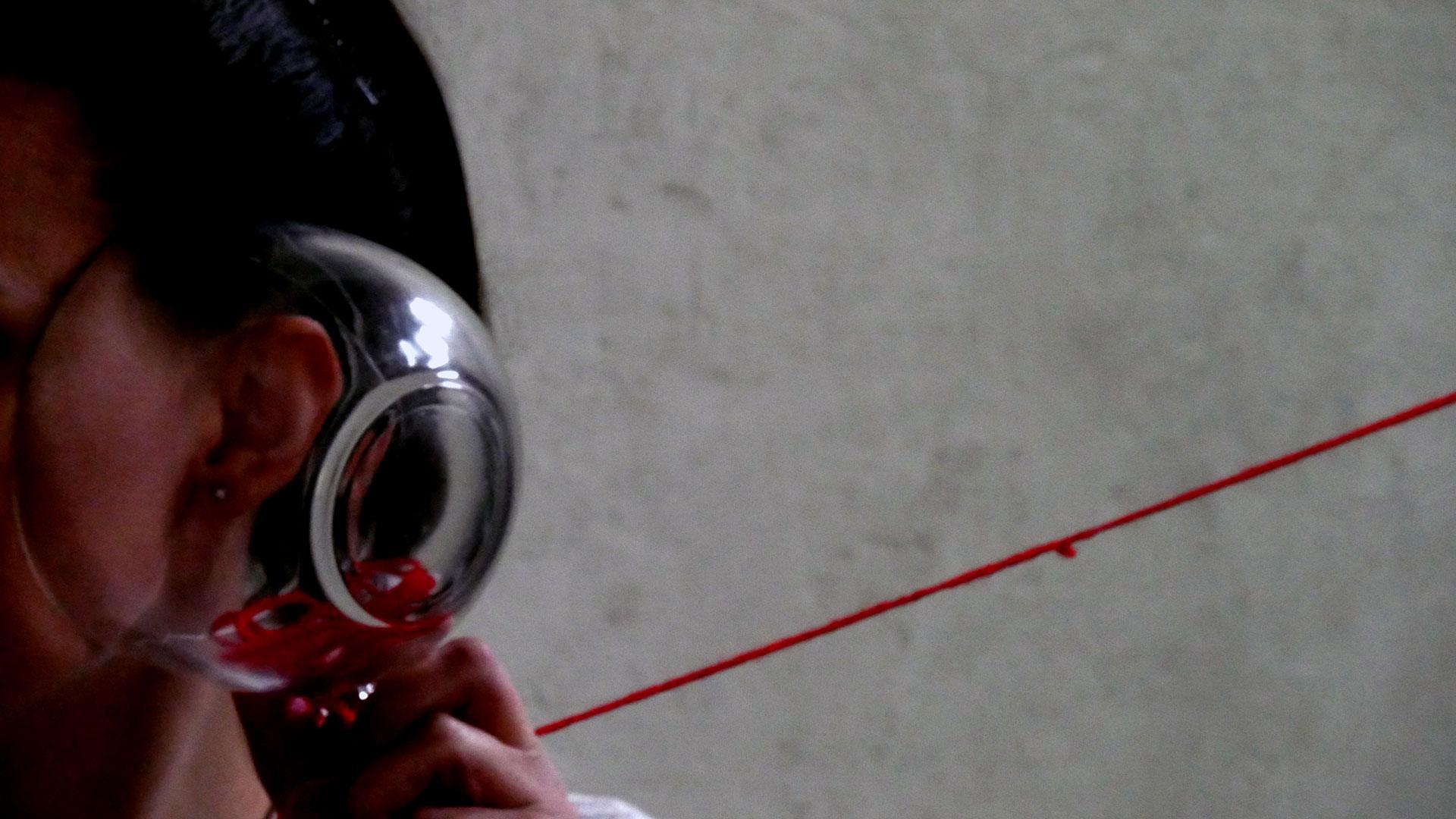
The listener also enters this movement. A question, a hesitation, or an unexpected interpretation can change the direction of the telling. Meaning develops between people, and a story we thought we understood begins to reveal another possibility.
Yet an encounter is only part of the journey. What we experience needs time to be absorbed, connected, and given a place. We return to the images and choices that mattered, asking what they now allow us to recognize—and what deserves to be carried into the world beyond the workshop.
This is why Transformation closes The Nine Moons. The journey gathers here before opening outward again. We return to an unfinished life, to other people, to the work of making and choosing. Wonder is there again, in the possibility that something familiar can still meet us differently.
We return to the beginning.
We bring the journey with us.